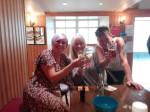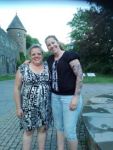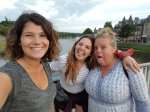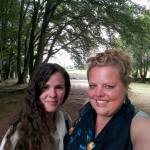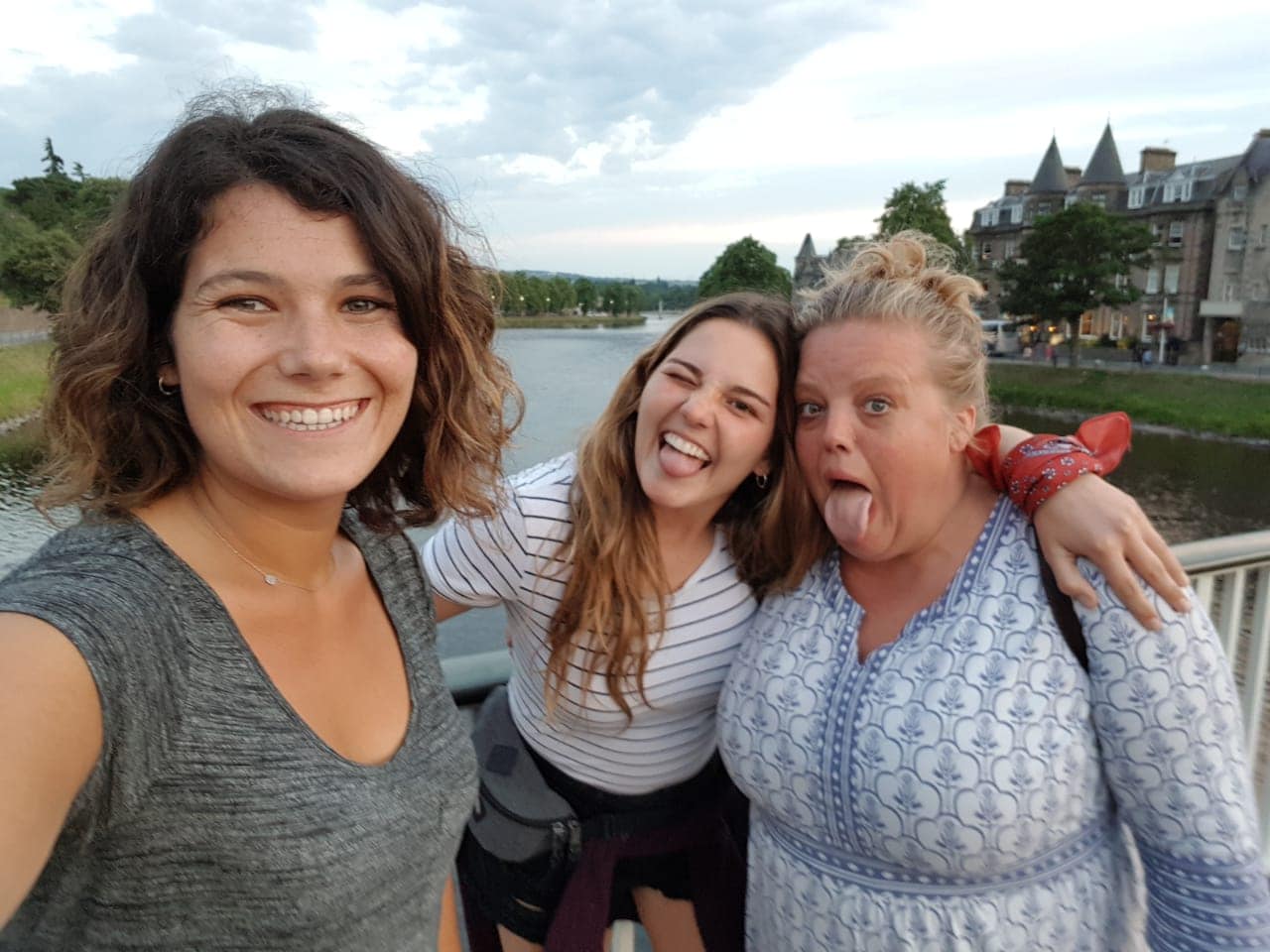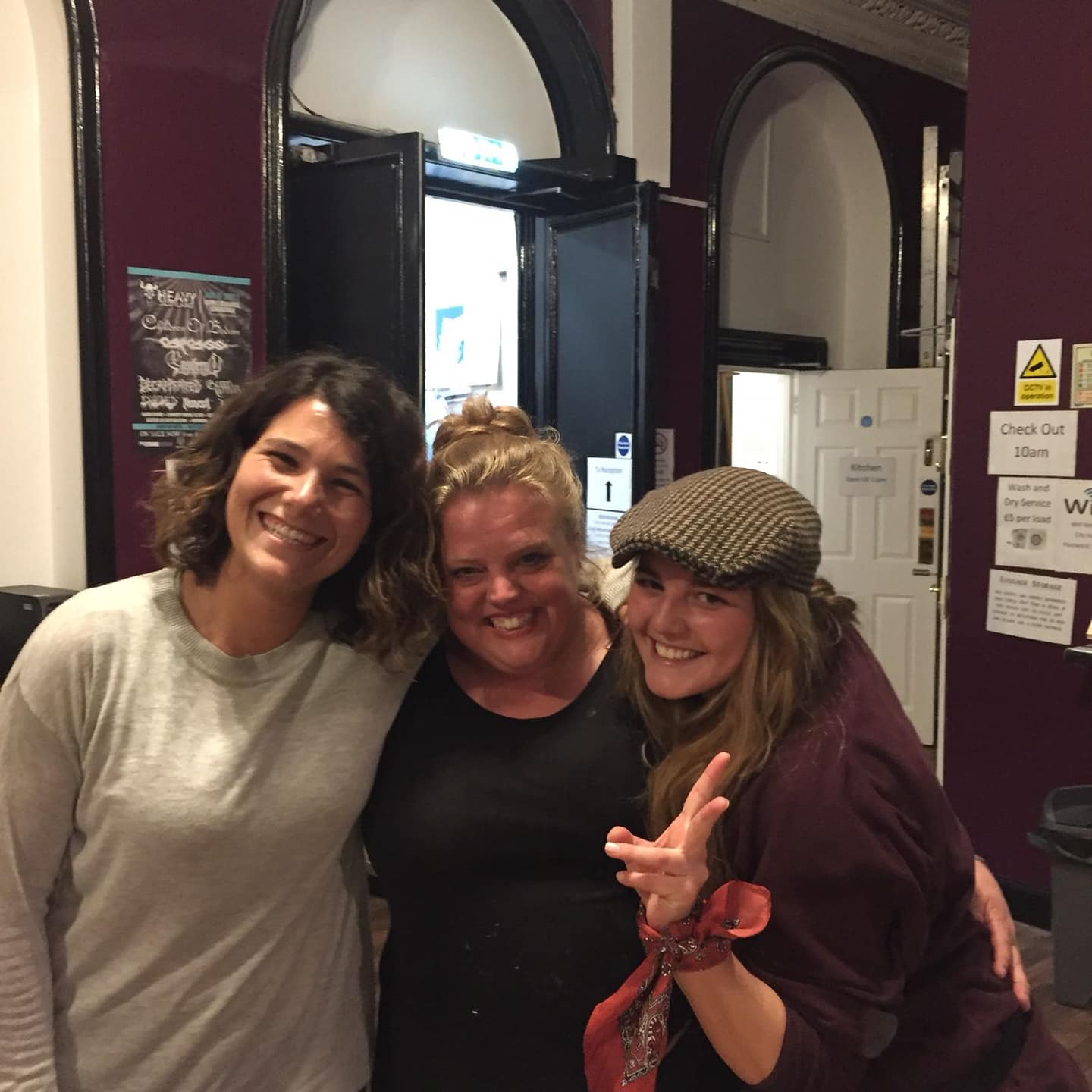
Adventures are always more fun when you make new friends and discover things together! Wandering around is always a new way to experience things!


Adventures are always more fun when you make new friends and discover things together! Wandering around is always a new way to experience things!


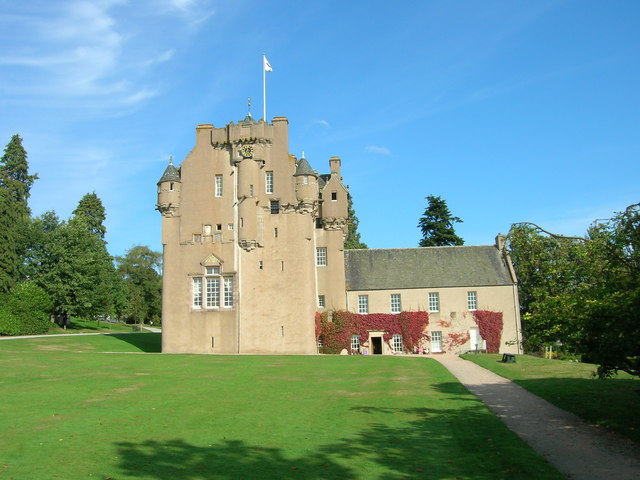
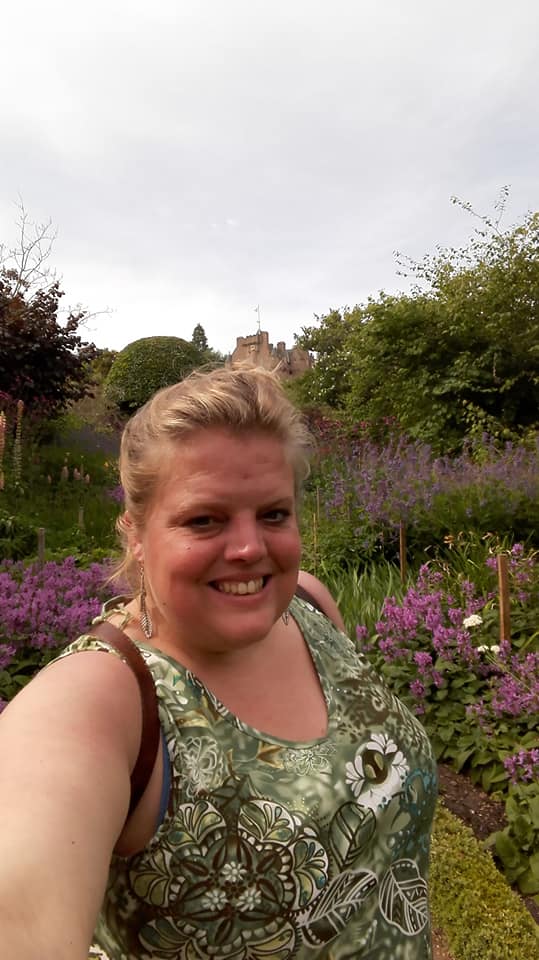
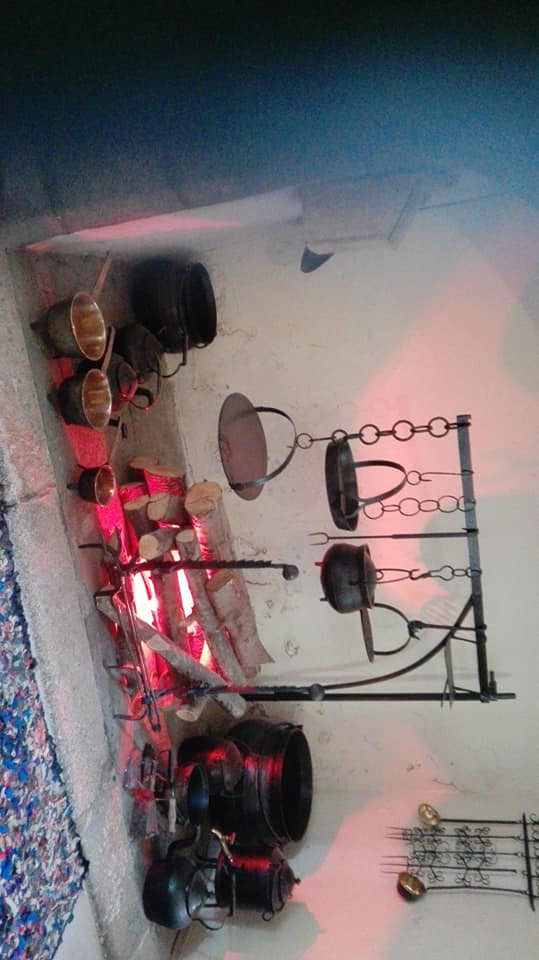
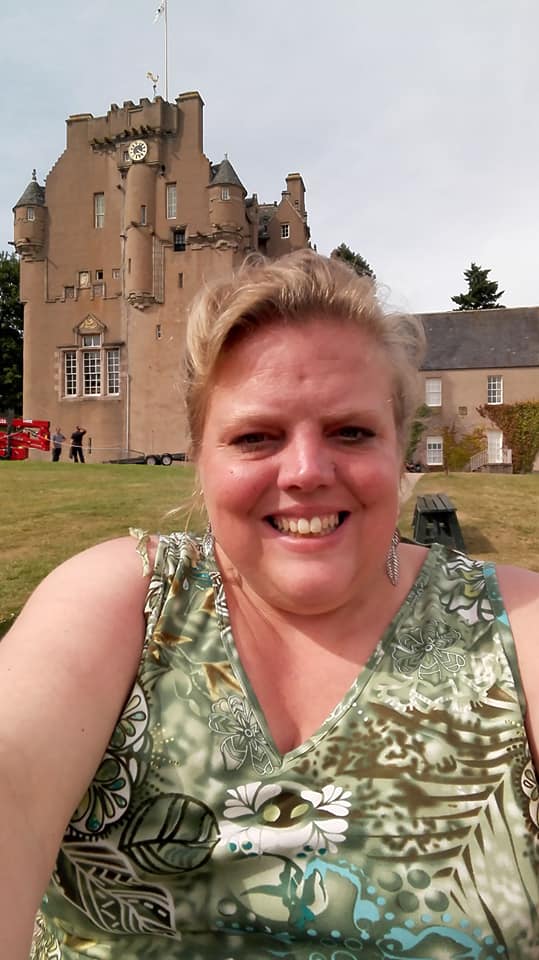
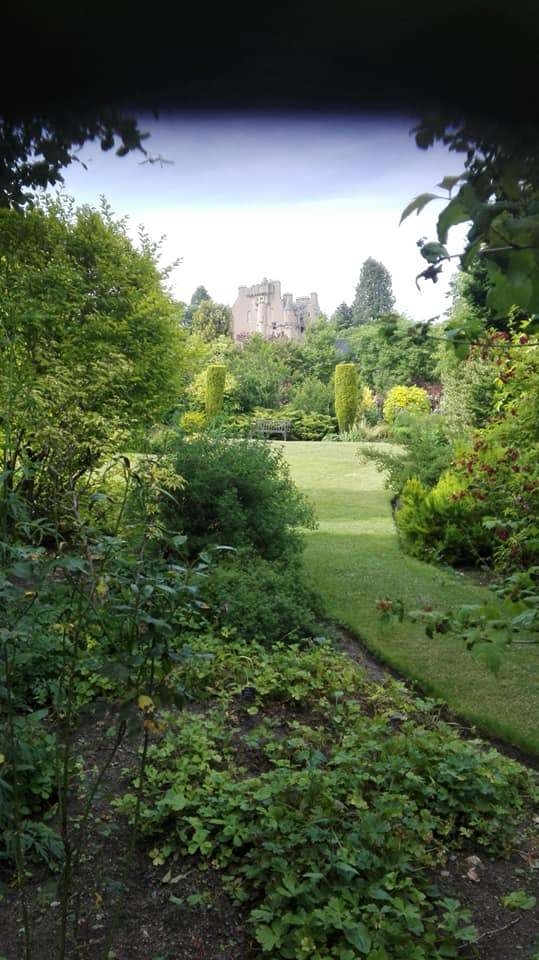
Crathes Castle is a place that dreams are made of and fantastical stories are written about-an abundance of beauty, history and a stunning gardens, well kept and outstanding!
It’s on the National Historical marker and “free” when you purchase a historical place (well worth the money to buy one!) I wouldn’t have known about this stunning secret if I hadn’t purchased the historical pass.
I tried stuffed tatties for the first time in my life at the cafe inside the castle, also awesome! The place offers the perfect get away and is an easy walk from the bus stop (the regional bus driver knew where to drop me off when I inquired!)
Wear comfortable shoes as the gardens are extensive, as is the castle, stretch out and enjoy all the beauty this castle has to offer! I absolutely love it here yes, while my article here does sound like an “advertisement’ to sell this place as an adventure, it’s all true (and no, it’s not sponsoring me, I am just seriously enjoying the place and want to share this secret with others!)
It’s a historical treasure that I would love to call home, assuming I won the huge lottery and it was for sale (which it’s not because it’s on the historical treasury!)


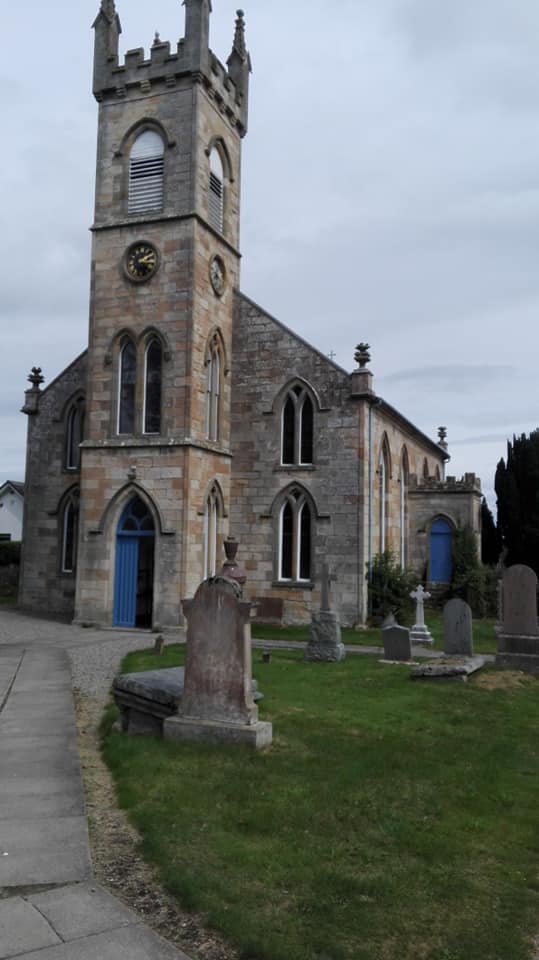
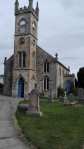
Cathedral Ruins, Fortrose, Black Isle, Scotland
You never know how you are going to meet people, over coffee? Perhaps, but dancing while dinner finishes so we can all eat family style, speaking many languages never was so easy as dancing before dinner—where we all made food and brought it to the table.
The accomodation hosted a kitchen with many small stoves and lots of counter top and all of us were hungry so each of us made a small platter of goodies and passed the platters around to eat as one! Blessings come in many forms.
Slice Large Portobello mushrooms in long strips, including stems/stumps. Put in a large skillet, sauté in EVOO over medium heat with one toe of garlic, thinly diced.

Wash/Rinse Salad base mix

Layer salad together, sprinkling with slivered almonds and bleu cheese crumbles

Finish it all off with a honey balsamic dressing and top with sautéed Portabella’s

Recently, I was blessed in being asked to be a Flat Stanley participant for a student in Tyro Elementary, Lexington, North Carolina.
Here is a little back history Flat Stansley (compliments of this site.)
Dale Hubert first introduced The Flat Stanley Project to his students at Wilfrid Jury Public School in 1995. The project’s name comes from the eponymous character of the children’s book Flat Stanley.[1][2] Written in 1964 by American author Jeff Brown, the book centers around the life of character Stanley Lambchop, a boy who is accidentally flattened.[1][2]
In an interview with CNN in 2005, Hubert explained: “In the book, by Jeff Brown, Stanley gets squashed flat by a falling bulletin board. Stanley’s parents rolled him up, put him in an envelope and mailed him to his friend in California. And that just seemed like a way of communicating that grade-three students might enjoy.”[1]
Students involved in The Flat Stanley Project are read the story of Flat Stanley and are subsequently given black-and-white cut-outs of him for them to color.[1][2] The students are also asked to write a story about him, including details such as where he is from, his daily routine and his interests, then they mail their Stanley to someone, such as a friend or relative in another country, or a student at another school participating in the program. The person receiving the Flat Stanley is asked to take a picture with the cut-out doll and to send a letter back, either via email or regular mail, to the student recounting Flat Stanley’s adventures along with the accompanying photo. The student then shares the photo and letter with their class.
By then end of its first year there were 13 classrooms participating in the project across the province of Ontario. Classrooms in the United States were short to follow suit and by 2006 the program had grown to 6,000 classes in 47 nations. By 2011 it was reported that at least 88 countries were participating in the program annually.