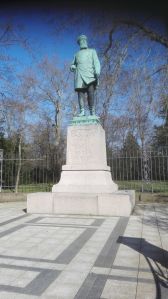
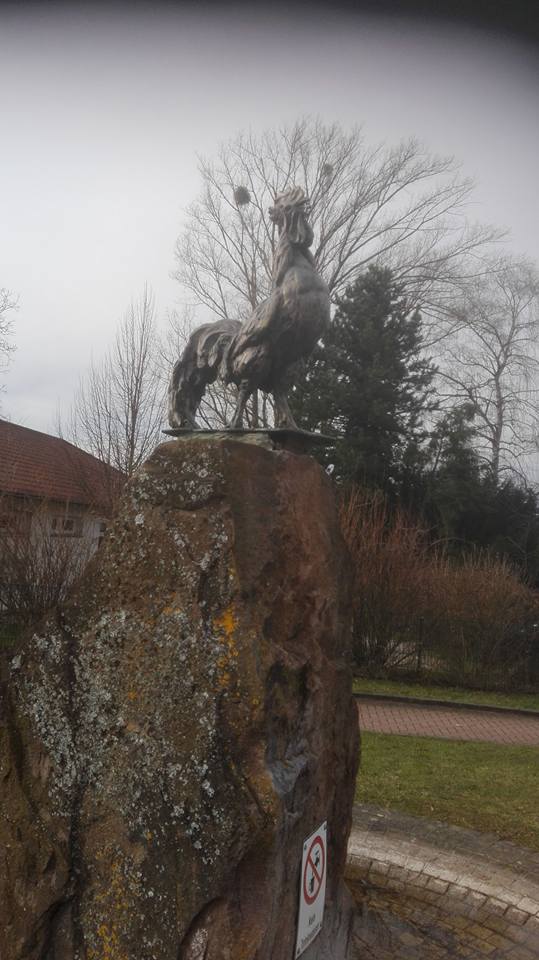
An afternoon of unexpected wonders!! The open garden gates provided a beautiful selection of carvings, sculptors and more, with wide open lawns hosting people and their picnics. What a beautiful and splendid treat!!! Located in Karlsruhe, this is a free treasure worth seeing, located conveniently near the botanical gardens.
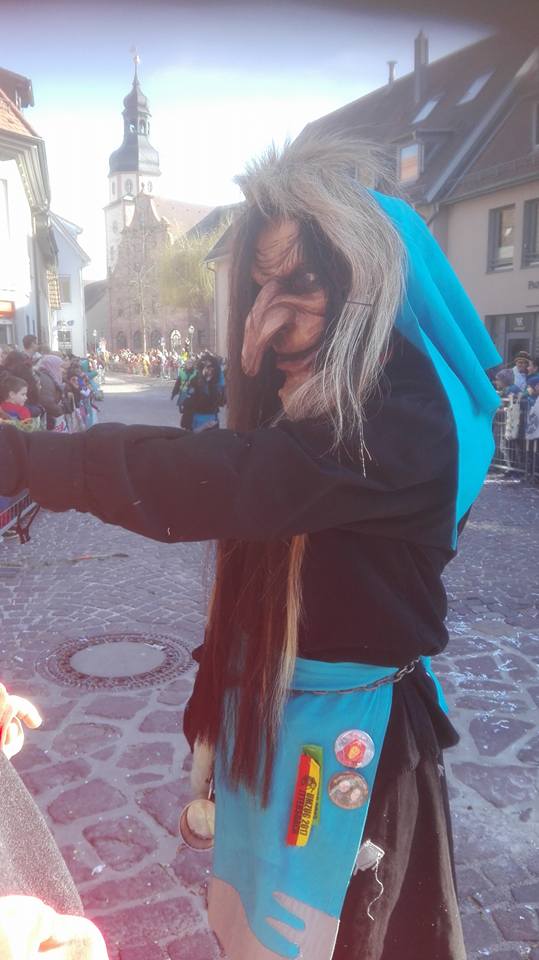
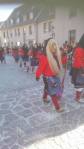
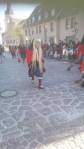
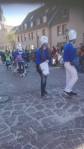
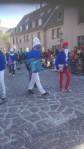
Woohoo!!! Attending Rosenmontags Festival today is beyond description, the hooping, hollering and joy was infectious, and everyone was in attendance, including this American ( I even dressed up as little red riding hood, sans wolf.)
Here is a bit of history (which I had to look up to get a better understanding.) Compliments of Wikepedia
In parts of East and South Germany, as well as in Austria, the carnival is called Fasching. In Franconia and Baden-Württemberg as well as some other parts of Germany, the carnival is called Fas(t)nacht, Fassenacht or Fasnet; in Switzerland, Fasnacht.
While Germany’s carnival traditions are mostly celebrated in the predominantly Roman Catholic southern and western parts of the country, the Protestant North traditionally knows a festival under the Low Saxon names Fastelavend [ˈfastl̩.ˌɒːvm̩t], Fastelabend [ˈfastl̩.ˌɒːbm̩t] and Fastlaam (also spelled Fastlom) [ˈfastl̩ɒːm]. This name has been imported to Denmark as Fastelavn and is related to Vastenoavond in the Low-Saxon-speaking parts of the Netherlands. It is traditionally connected with farm servants or generally young men going from house to house in the villages and collecting sausages, eggs and bacon, which was consumed in a festivity on the same evening. While going from house to house they wore masks and made noise. The old tradition vanished in many places, in other places under influence of German carnival traditions it came to resemble carnival with its parades.
Beginning and peak of the festival season
The carnival session, also known as the “Fifth Season”, begins each year on 11 November at 11:11 a.m. and finishes on Ash Wednesday of the following year with the main festivities happening around Rosenmontag (Rose Monday).
Although the festivities and parties start as early as the beginning of January, the actual carnival week starts on the Fat Thursday (Weiberfastnacht) before Ash Wednesday (in Germany). The big German carnival parades are held on the weekend before and especially on Rosenmontag, the day before Shrove Tuesday, and sometimes also on Shrove Tuesday (Faschingsdienstag or Veilchendienstag) itself in the suburbs of larger carnival cities.
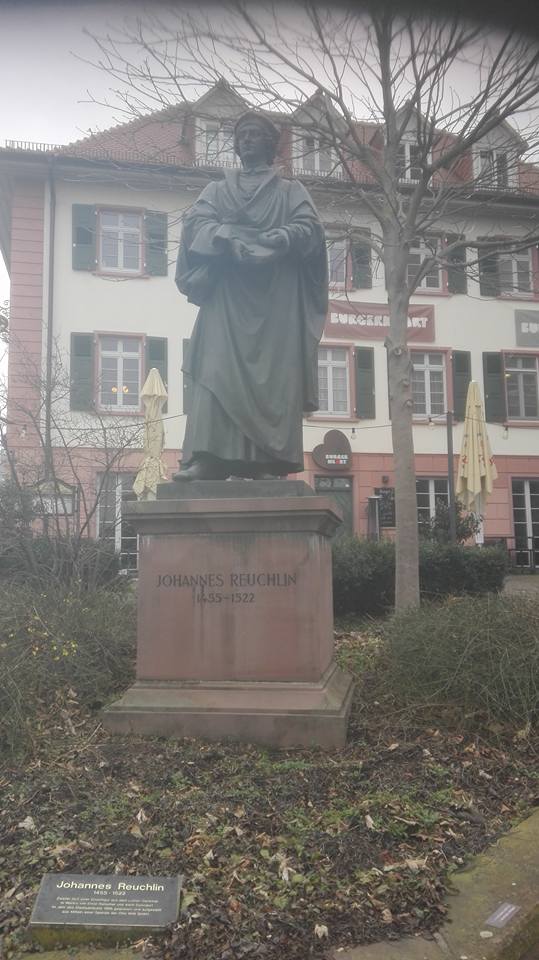
An impromptu afternoon in Pforzheim on a lovely day, the weather was perfect and the wind was not blowing and the sun peeked out to brighten the day.
A bit of history includes:
Johann Reuchlin was born atPforzheim in the Black Forest in 1455, where his father was an official of the Dominican monastery. According to the fashion of the time, his name was graecized by his Italian friends into Capnion (Καπνίων), a nickname which Reuchlin used as a sort of transparent mask when he introduced himself as an interlocutor in the De Verbo Mirifico. He remained fond of his home town; he constantly calls himself Phorcensis, and in the De Verbo he ascribes to Pforzheim his inclination towards literature. (Courtesy of Wikipedia)
Check Out the great steals and deals on my eBay--15% of all sales benefit a charity.
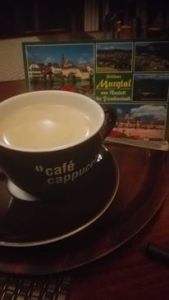
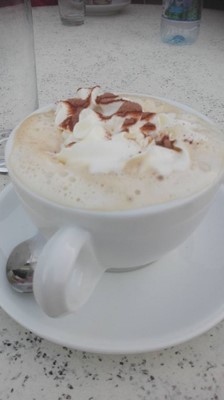
A long day of walking and siteseeing wound down with a lovely evening of church bells chiming to ring in the beauty of the day, which, of course, included a dark-strong coffee in a Italian cafe on the river’s edge. The river and the bells provided a lovely musical venue, with a menagerie of lyrical beauty.
There is a beautiful, old fashioned wooden bridge that crosses the river Murg, providing an exquisite view of the Murg Valley and Murg River, bubbling over stones and dancing its way through the village. The cool, balmy air filled the senses with the delights of the earth, wood burning stoves and roasting sauages in the market square.
A delightful evening of pure enjoyment for all the senses–a quiet village well worth seeing–and a wonderful place to stay even longer.
Check out the treasures, gifts, and fashion on my eBay
Meeting new and fun people is always nice–and what better place than to meet them in my German courses.
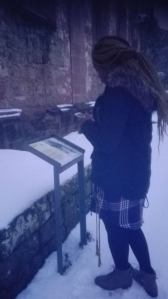
Tatenda is from Zimbabwe and desired to adventure more here in Germany so we headed off together, enjoying lunch first, and then to the Monastary Ruins in Frauenalb for a wonderful and fun afternoon in the snow.