And of course, we had to stop for a coffee break!!!
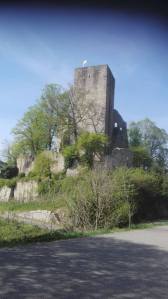

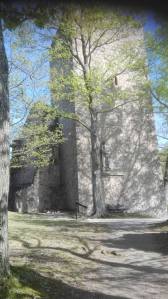


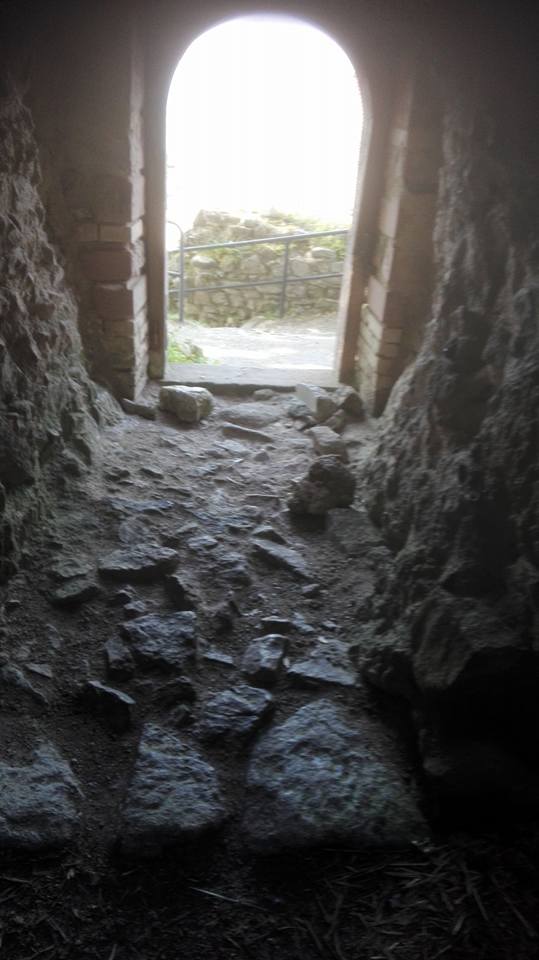
And of course, we had to stop for a coffee break!!!




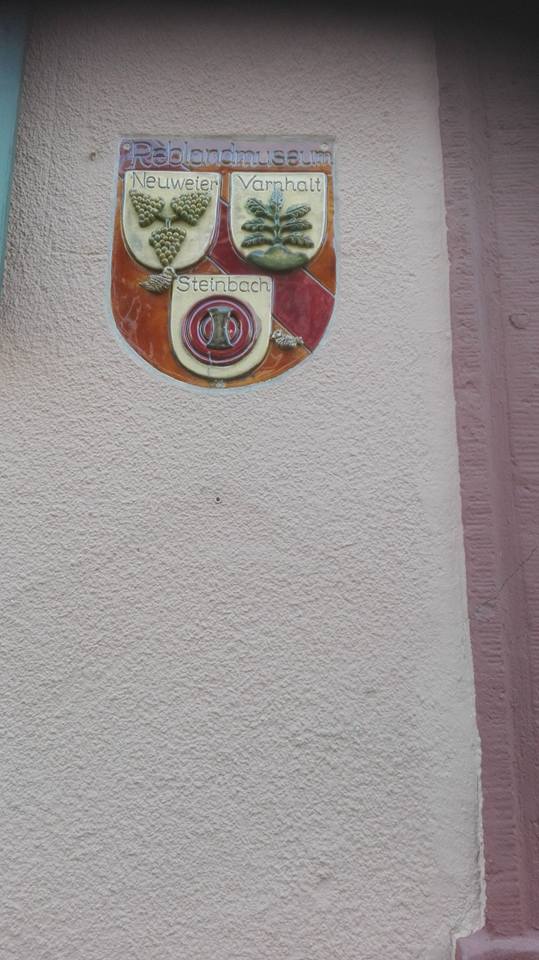


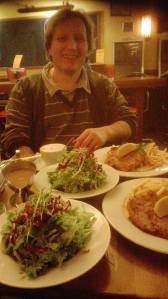
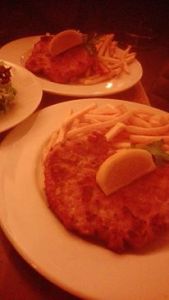
A Small, quaint town in the heart of the Black Forrest, Thomas and I stopped at the Guesthause Hirch for a wonderful german meal, the church bells rang, and the service was nice, the food superb. A town that one can easily relax in and fully enjoy!!! A place to get a breath of fresh air and enjoy the day. It is also easily accessible, not far from Baden Baden
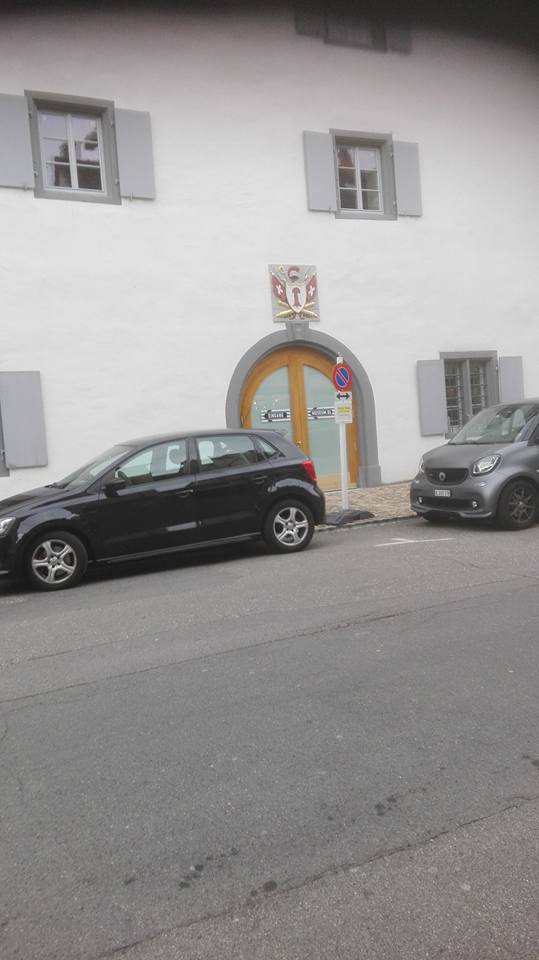
What a wonderful adventure–driving through Freiburg, Germany (where we stopped for a Cappuccino), we continued on the #5 interstate, through border control/inspection, and into Switzerland!! We were able to change countries in a matter of about 2 1/2 hours, which to my American mind, is just outstanding and so surprising.
I, with passport in tow, felt giddy to be going to Switzerland and was anticipating a stamp in my passport. Alas, it would not be possible as the border control did not have a stamp and only did visual checks. Bummer, alas that is the rule. The inspector said that passport stamps are usually only available via the airport.
I gawked as we drove thru Basel, Switzerland, which is 2 kilometers from the border, inside Switzerland. Remembering, albeit too late, that Switzerland is neutral and not part of the European Union, I did not think to convert Euros to Swiss Francs but I was in luck.
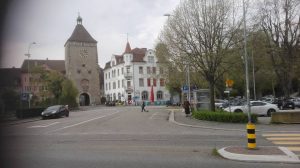
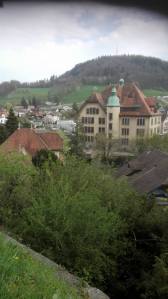
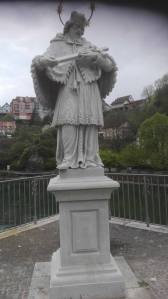
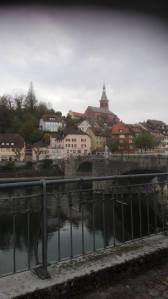
Upon arriving in Laufenburg, already having crossed the Rhine (Rhein) River, we pulled off in the Aldstadt (historic) district, which in part borders the Rhine. Opening the car door, the scents of a Swiss Spring filled the air with beauty and grace and the air smelled of sweet things verses grilled sausages (which is often an occurrence in Germany.) The Videos tell the rest of the story and how I was in multiple places at once (and we went further into Switzerland and shopped in Leistal.)
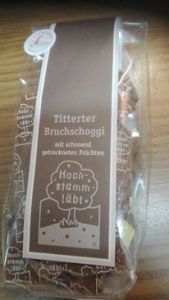
I can attest, Swiss crafted cheese and chocolate are absolutely amazing!!!






Check out great fashion and more on my eBay




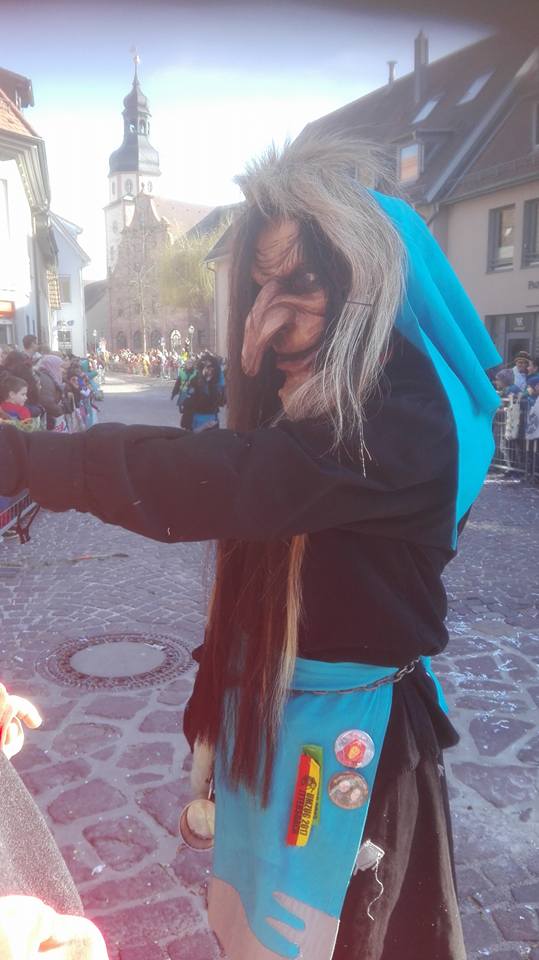


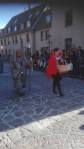

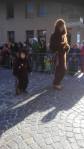
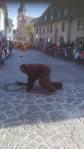
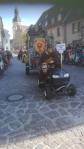

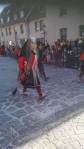
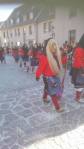

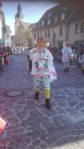

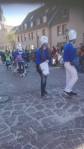
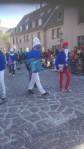


Woohoo!!! Attending Rosenmontags Festival today is beyond description, the hooping, hollering and joy was infectious, and everyone was in attendance, including this American ( I even dressed up as little red riding hood, sans wolf.)
Here is a bit of history (which I had to look up to get a better understanding.) Compliments of Wikepedia
In parts of East and South Germany, as well as in Austria, the carnival is called Fasching. In Franconia and Baden-Württemberg as well as some other parts of Germany, the carnival is called Fas(t)nacht, Fassenacht or Fasnet; in Switzerland, Fasnacht.
While Germany’s carnival traditions are mostly celebrated in the predominantly Roman Catholic southern and western parts of the country, the Protestant North traditionally knows a festival under the Low Saxon names Fastelavend [ˈfastl̩.ˌɒːvm̩t], Fastelabend [ˈfastl̩.ˌɒːbm̩t] and Fastlaam (also spelled Fastlom) [ˈfastl̩ɒːm]. This name has been imported to Denmark as Fastelavn and is related to Vastenoavond in the Low-Saxon-speaking parts of the Netherlands. It is traditionally connected with farm servants or generally young men going from house to house in the villages and collecting sausages, eggs and bacon, which was consumed in a festivity on the same evening. While going from house to house they wore masks and made noise. The old tradition vanished in many places, in other places under influence of German carnival traditions it came to resemble carnival with its parades.
The carnival session, also known as the “Fifth Season”, begins each year on 11 November at 11:11 a.m. and finishes on Ash Wednesday of the following year with the main festivities happening around Rosenmontag (Rose Monday).
Although the festivities and parties start as early as the beginning of January, the actual carnival week starts on the Fat Thursday (Weiberfastnacht) before Ash Wednesday (in Germany). The big German carnival parades are held on the weekend before and especially on Rosenmontag, the day before Shrove Tuesday, and sometimes also on Shrove Tuesday (Faschingsdienstag or Veilchendienstag) itself in the suburbs of larger carnival cities.