Wyoming’s First Settlement–a ‘hidden’ gem, Fort Laramie


Wyoming is filled with many “hidden” treasures. Little gems of history and fortitude are everywhere. Fort Laramie doesn’t disappoint. It’s thrilling in its quiet beauty and historical realms.

Fort Laramie is still a small town, population roughly 1,000. Located along the Laramie River in Southeast Wyoming, it’s well worth visiting and spending a full day exploring the fort and the Iron Bridge (located very close together, less than 2 miles apart.)

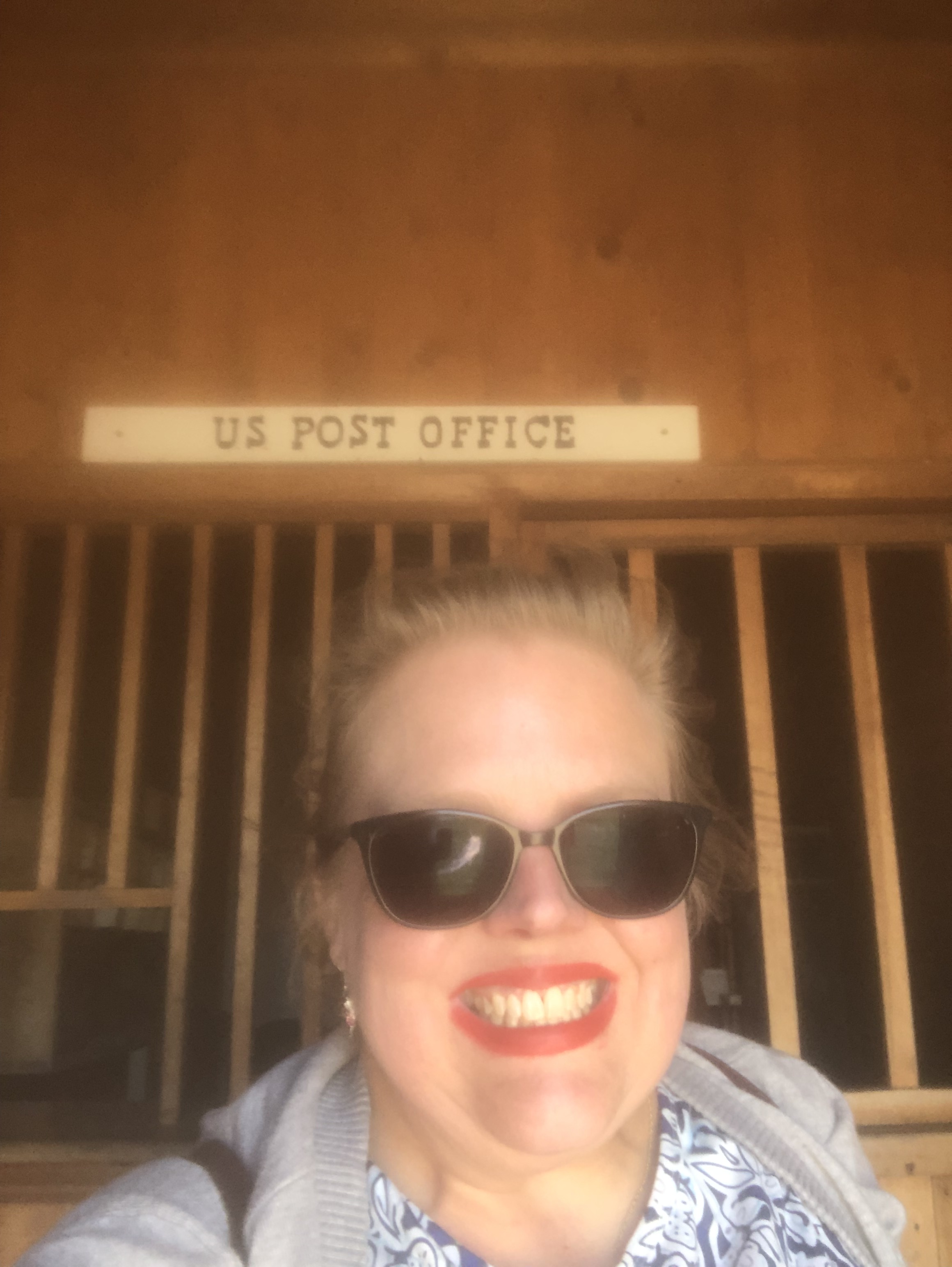
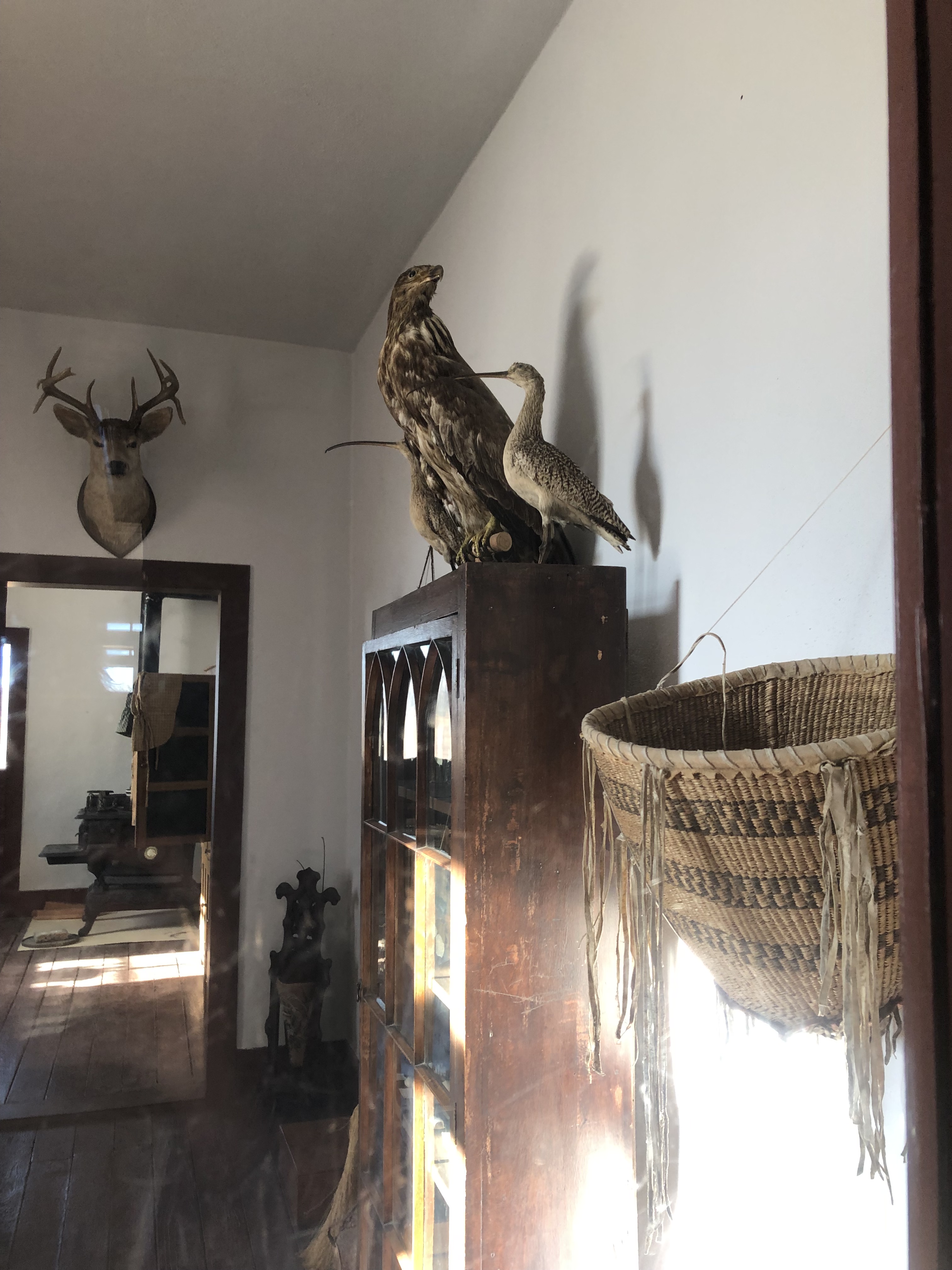
The Visitors center of Fort Laramie historical site is located inside the old supplies facility. It has been nicely converted into a little museum. The museum is abundant in the historical telling of the fort itself. It also offers wonderful selections of goodies. The visitor center also has a vast variety of postcards and an ample range of postmarking stamps! There is a derelict post office on site. It was once part of the fort’s functional aspects more than a century ago. Yet, the active post office is located in the town. This allows one to write to a loved one about their awesome adventures. They can mail it off from the town itself!

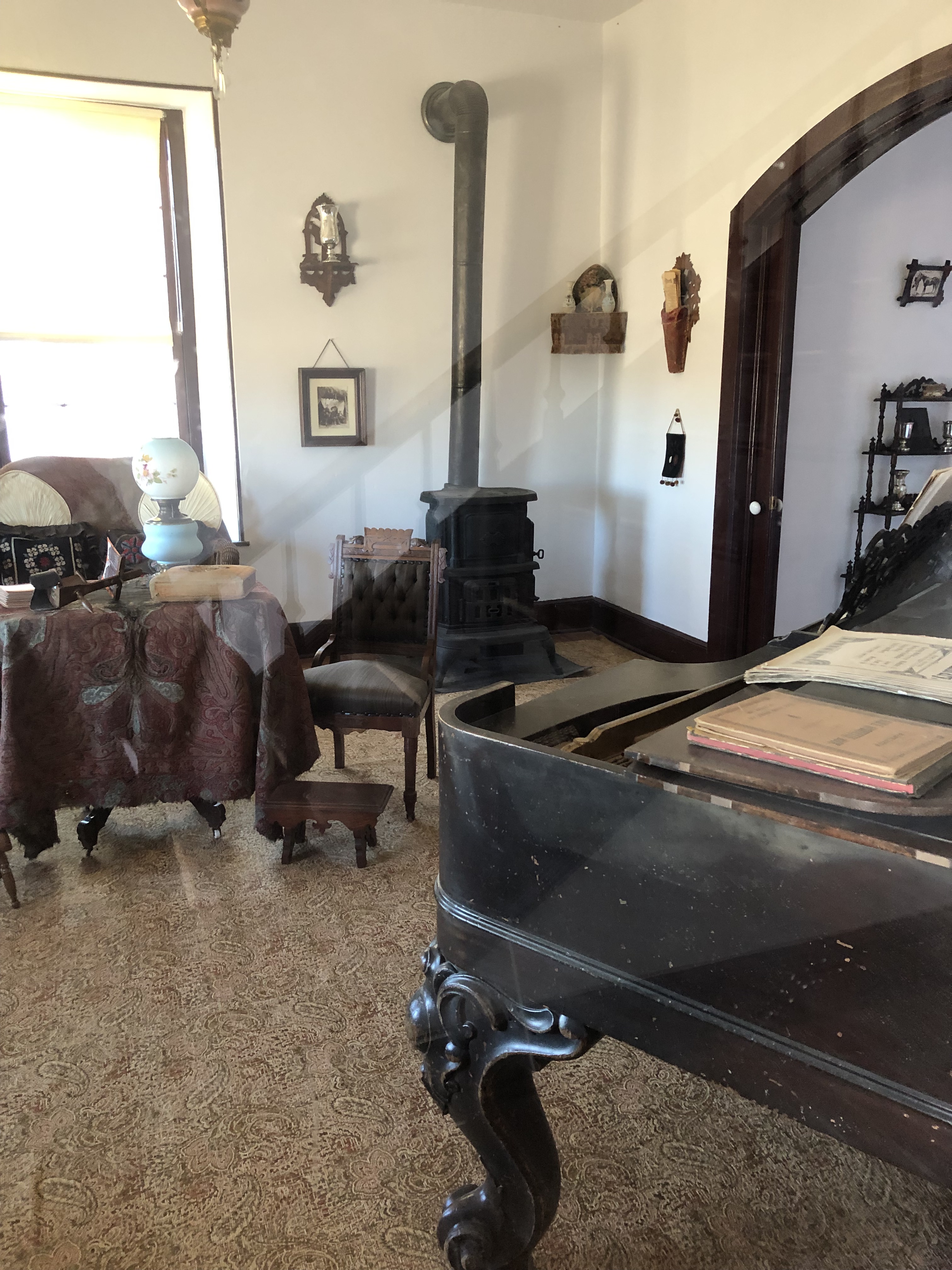
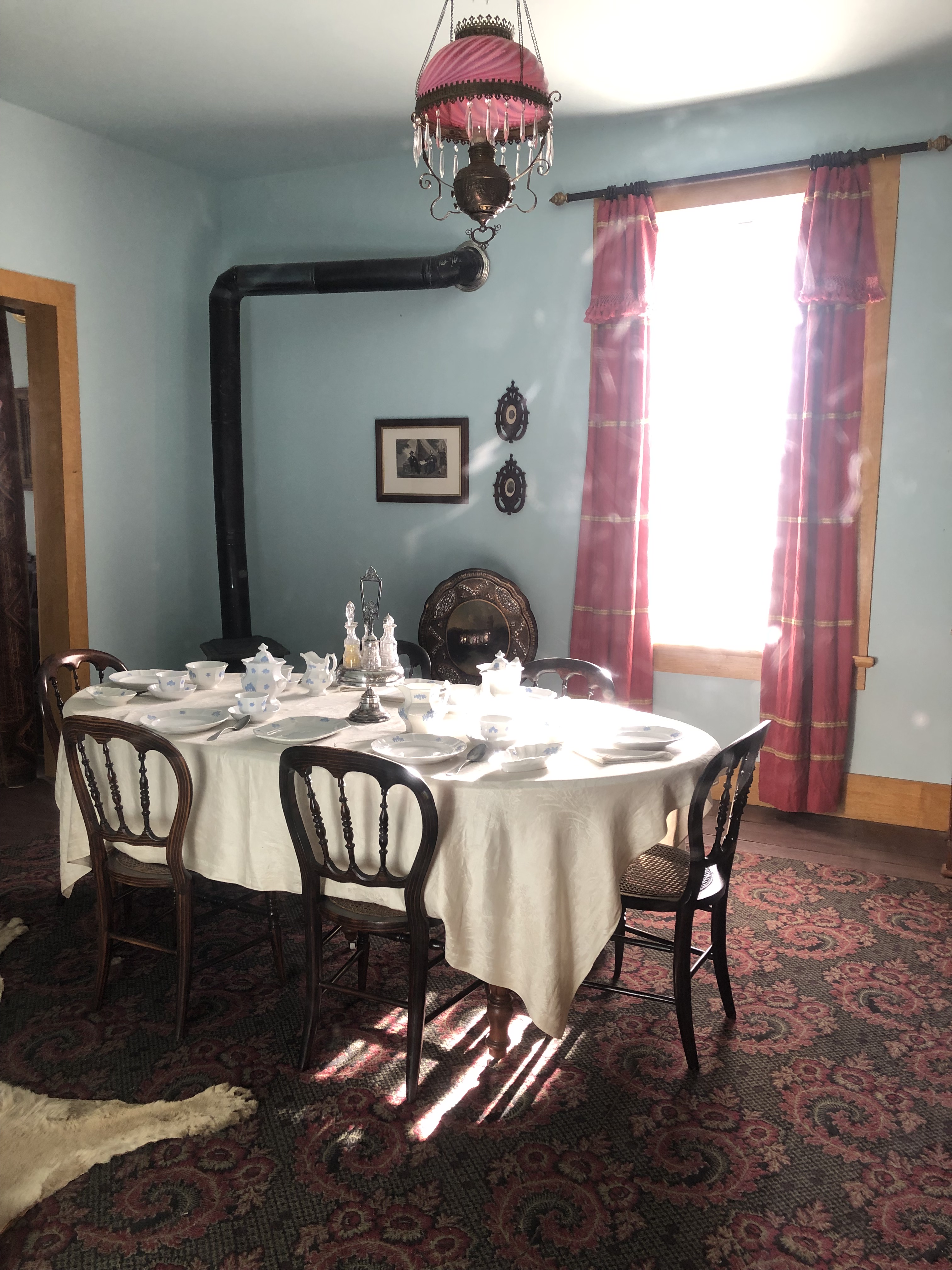
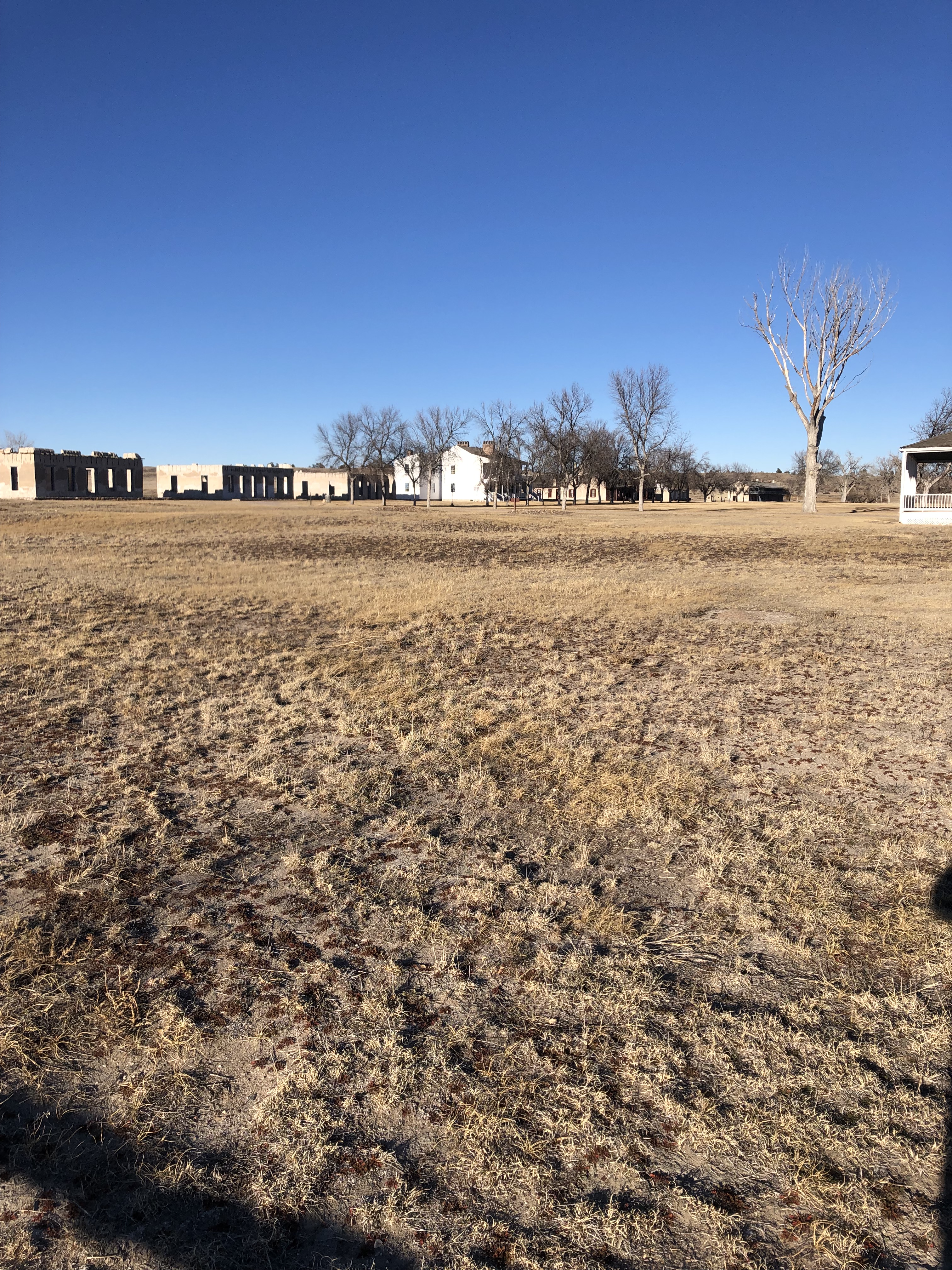
Fort Laramie offers a walk through map of all the grounds, which is outstanding. The fort itself has many buildings that can also be toured. These include barracks, commissaries, Surgeons residents, and the Bedlam. The Bedlam has a fascinating back story of its name and history. There are ruins where edifices didn’t survive the time and plaques of information to enlighten.

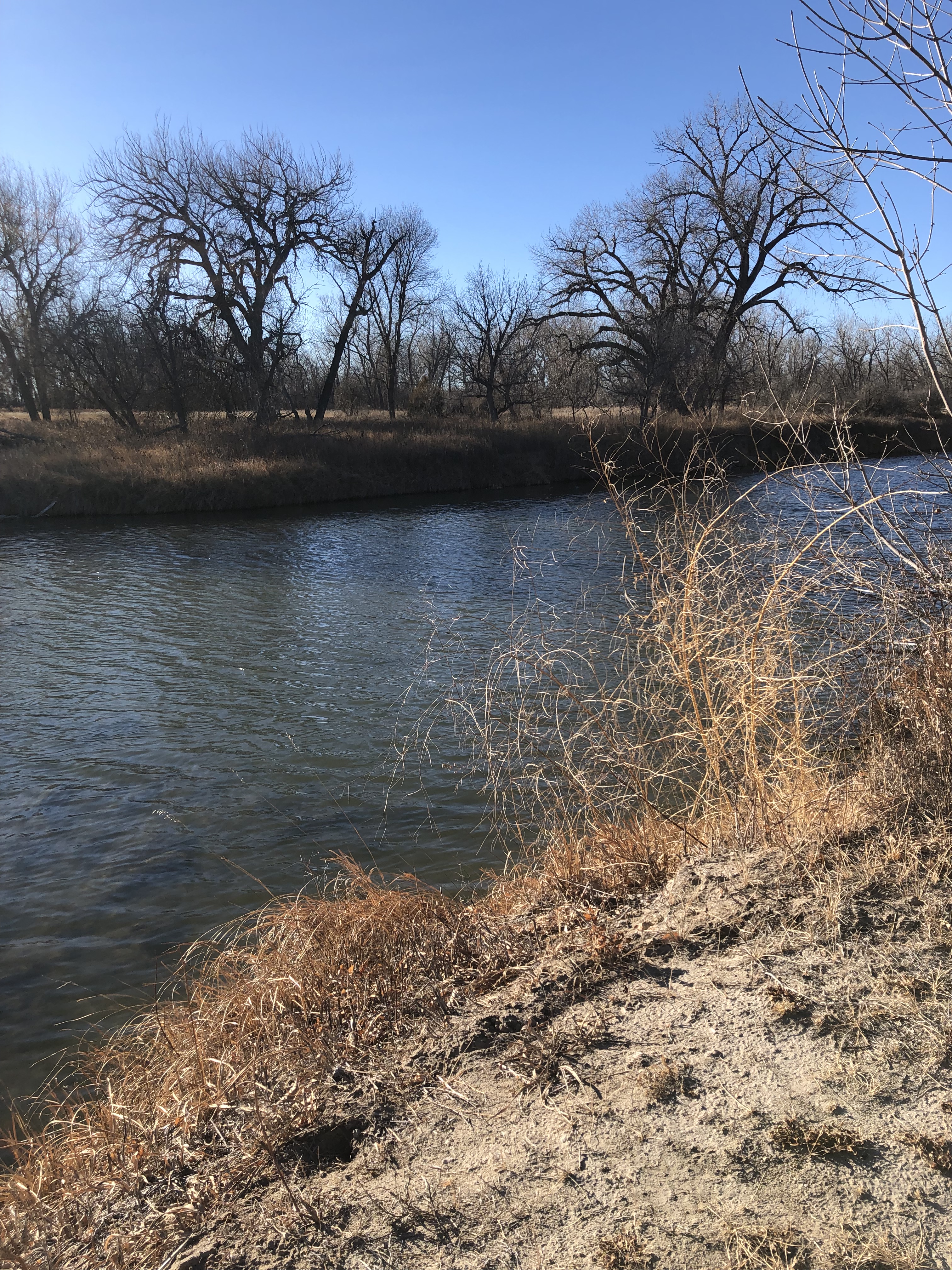
The Laramie river runs along side the fort, providing much needed water then and now to the area, trees grow abundantly and the pastures around still don a herd of horses and a small amount of cattle (I am not sure if they are associated with the fort or not but it’s nice to imagine that the Calvary stationed there would still be in need of the horses and cattle if it were still an active fort!)

Fort Laramie was also a major trading post and rest stop for those traveling or living in the region–as well as a huge component in the Pony Express–while it lasted for the 18 months it ran. The Pony express had 120 young riders that delivered and most went through Fort Laramie!

The staff at Fort Laramie are well informed. They are super helpful in the knowledge and guidance of the fort. So please stop by and check it out! The entrance and parking are both free and are open year around, except on major holidays!

Hungry? Try out “The Fort” Bar and Grill in the town of Fort Laramie, 5 minutes from the Fort, great food and easy to find–wonderful selection
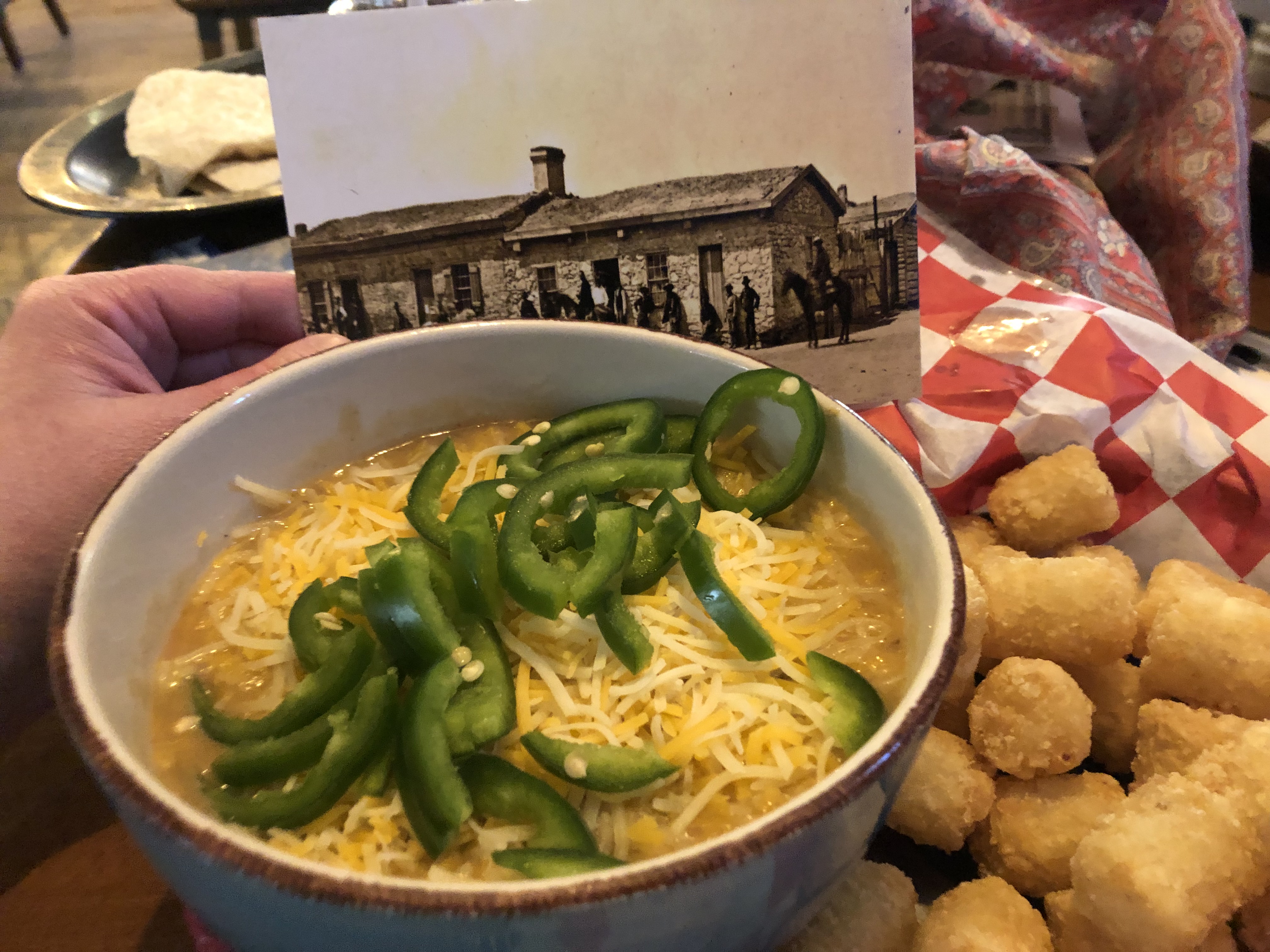
“The Fort” bar and grill located in the town of Fort Laramie is about 5 minutes from the historical site, very yummy cuisine and very afforable. Great service too! Check it out!

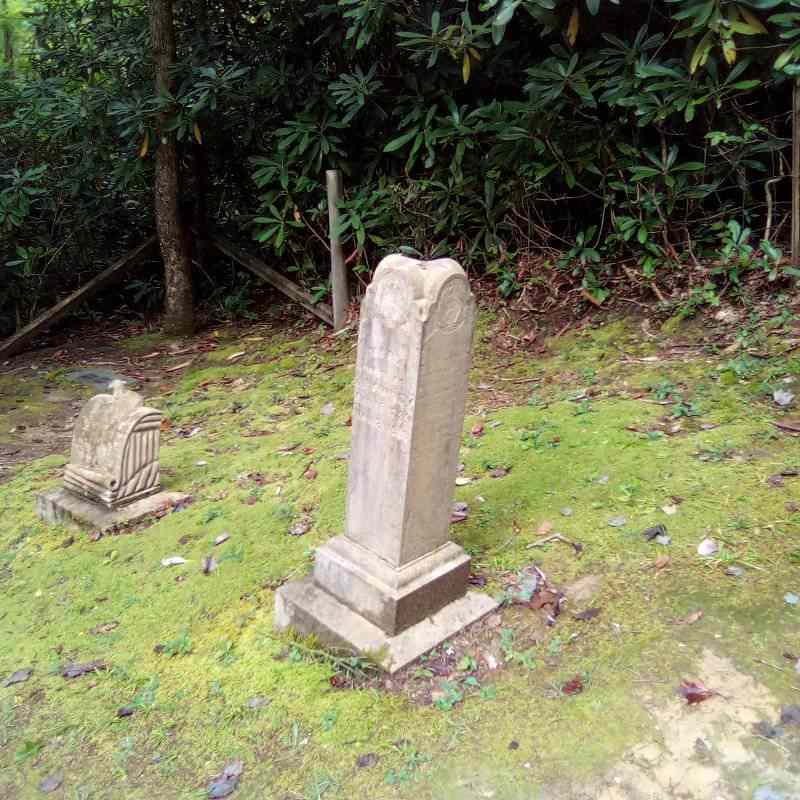
Old Elkmont Cemetery, near Gatlinburg, TN


Yes, it’s true, I am a lover of beautiful masonry work and old stones– an appreciator of etchings and engravings and any opportunity I am offered, I enjoy a good cemetery crawl. Sometimes, more often than not, a “good” one is often off the beaten path and takes a little adventure and finagling to get there… and it’s always worth the effort!!

Fortunately, I had a bit of aid in locating/finding this particular older cemetery near Gatlinburg, Tennessee as a person briefly posted on a photo forum of Elkmont Cemetery and I had to use google mapping to get me there…the cemetery is quite small but hosts an elaborate amount of carved lambs on the headstones, those that are marked any way.

An interesting factor that I haven’t personally seen before… coins were left on certain graves… any one know the history behind that?

https://www.yelp.com/biz/old-elkmont-cemetery-gatlinburg?osq=Old+Elkmont+Cemetery

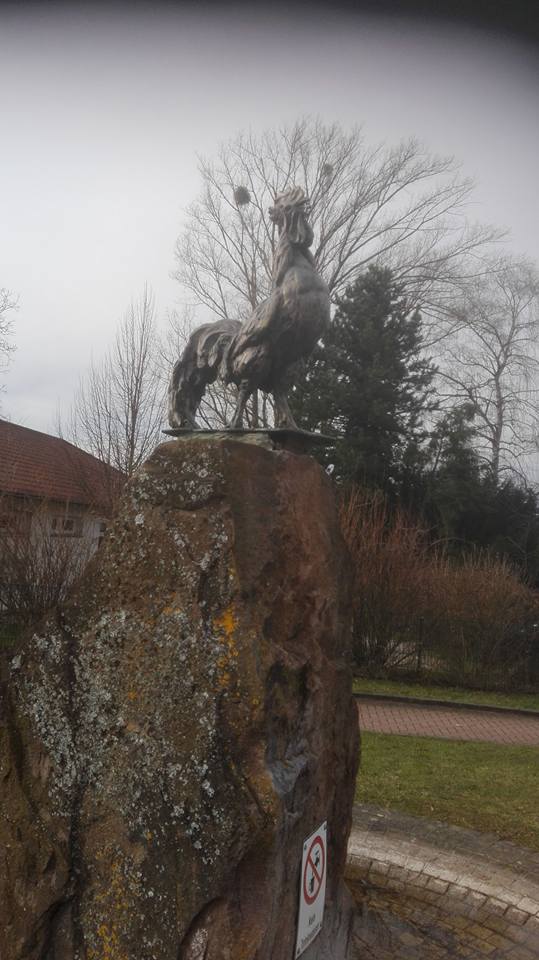
The Roosters Well and more, Speilberg, Germany


50 reichs bank note from 1908 $9.99 OBO eBay

RosenMontags, Deutschland


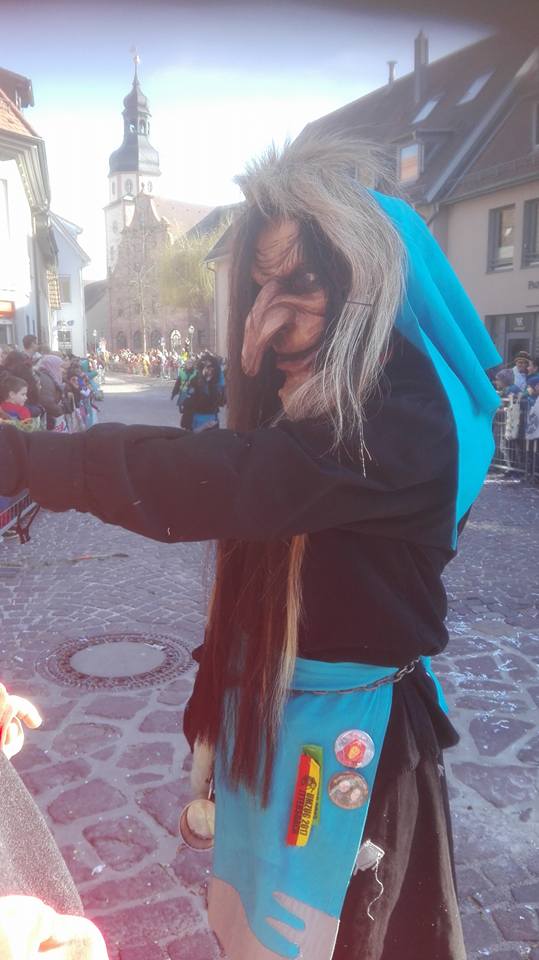
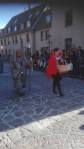
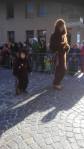
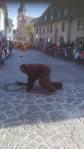
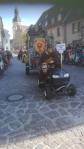
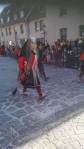
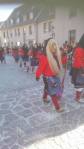
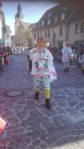
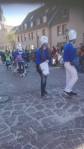
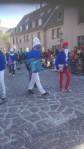
Woohoo!!! Attending Rosenmontags Festival today is beyond description, the hooping, hollering and joy was infectious, and everyone was in attendance, including this American ( I even dressed up as little red riding hood, sans wolf.)

Here is a bit of history (which I had to look up to get a better understanding.) Compliments of Wikepedia

In parts of East and South Germany, as well as in Austria, the carnival is called Fasching. In Franconia and Baden-Württemberg as well as some other parts of Germany, the carnival is called Fas(t)nacht, Fassenacht or Fasnet; in Switzerland, Fasnacht.

While Germany’s carnival traditions are mostly celebrated in the predominantly Roman Catholic southern and western parts of the country, the Protestant North traditionally knows a festival under the Low Saxon names Fastelavend [ˈfastl̩.ˌɒːvm̩t], Fastelabend [ˈfastl̩.ˌɒːbm̩t] and Fastlaam (also spelled Fastlom) [ˈfastl̩ɒːm]. This name has been imported to Denmark as Fastelavn and is related to Vastenoavond in the Low-Saxon-speaking parts of the Netherlands. It is traditionally connected with farm servants or generally young men going from house to house in the villages and collecting sausages, eggs and bacon, which was consumed in a festivity on the same evening. While going from house to house they wore masks and made noise. The old tradition vanished in many places, in other places under influence of German carnival traditions it came to resemble carnival with its parades.
Beginning and peak of the festival season

The carnival session, also known as the “Fifth Season”, begins each year on 11 November at 11:11 a.m. and finishes on Ash Wednesday of the following year with the main festivities happening around Rosenmontag (Rose Monday).
Although the festivities and parties start as early as the beginning of January, the actual carnival week starts on the Fat Thursday (Weiberfastnacht) before Ash Wednesday (in Germany). The big German carnival parades are held on the weekend before and especially on Rosenmontag, the day before Shrove Tuesday, and sometimes also on Shrove Tuesday (Faschingsdienstag or Veilchendienstag) itself in the suburbs of larger carnival cities.

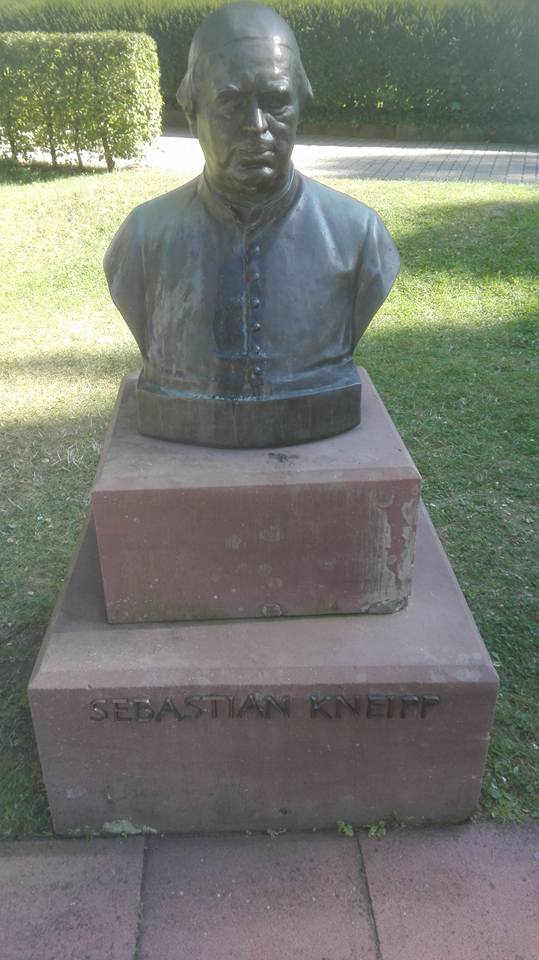
Kneipp Bath


bad

Splashing around in a Thermal Pool Together

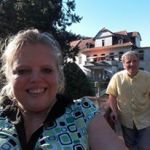
Spending time with my sweetheart is such a joy–I asked a local woman what the open-air foot/leg bath and arm bath-trough was intended for–and she answered (with a smile) that it is for health and refreshment….exactly what we needed on a hot, hot summer day.

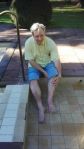
Thomas and I sluffed off our shoes and went for it. Wowser!! That water is cold but awesome–the floors of the pool (only about knee deep) is covered in bumps, creating a lovely, slighlty ticklish feeling…and it is truly refreshing… and it exfoliated our feet…no more callouses….Thomas is a trooper, for sure, willing to try anything and adventuring with my sweetheart makes it so much more enjoyable, laughing and trying it all.

Neither of us has ever been here before today…an adventure with laughter, beautiful scenery and soft feet after adventuring all day….it does not get any better than this–and it is a free venue located in Bad Herrenalb.

Thomas getting into the pool

Thomas getting into the pool

bad2

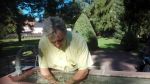
Thomas enjoys the ‘arm bath’–very refreshing on a hot day.

Kloster-Monastary Ruins, Fraunalb, Germany


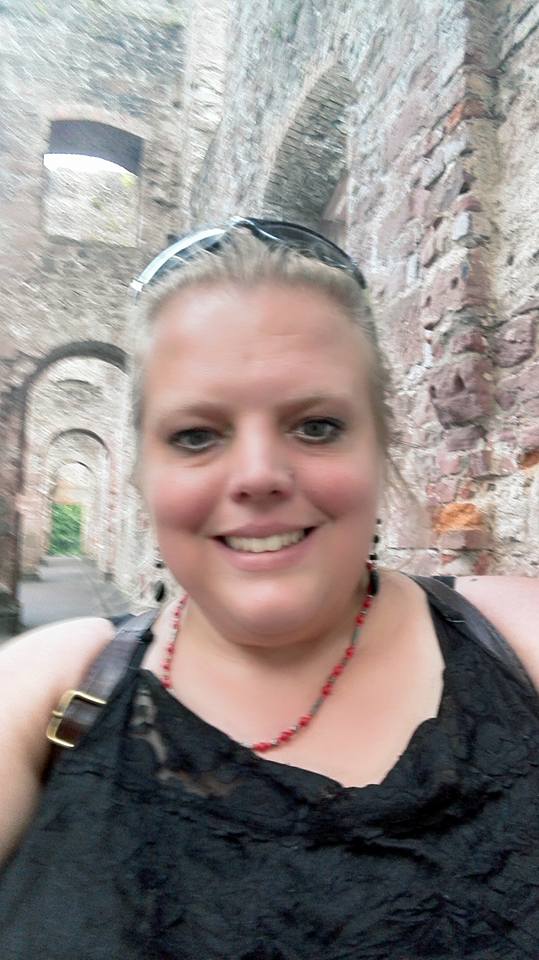
Riding the tram (www.kvv.de) around the area has proven to be such a joy–it takes me to places I would have never known about before–like the quaint village of Fraunalb in Baden-Wurtämburg.  The videos show case some of the wonderful and beautiful aspects of the monastary ruins–


Treasure hunting is so much fun–and it is helping to create great and awesome products on my eBay.