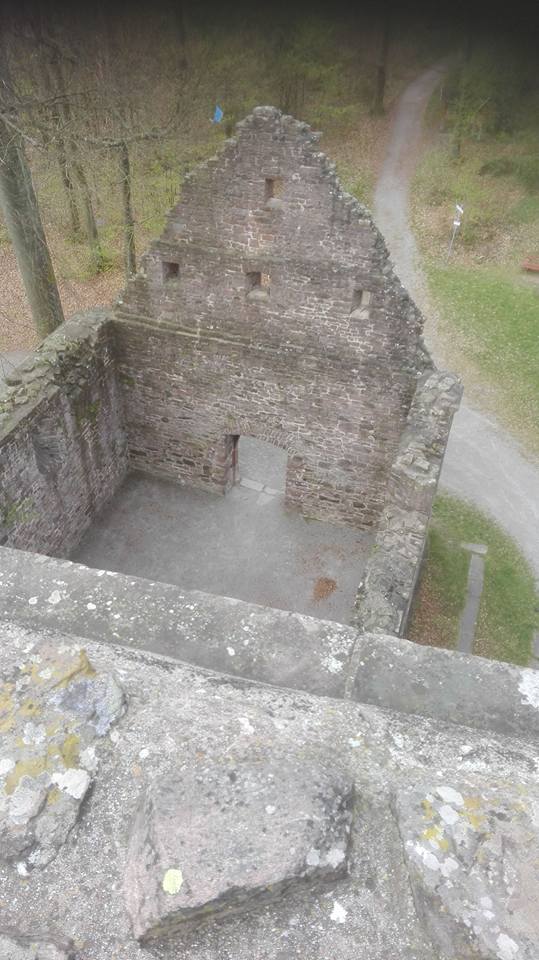

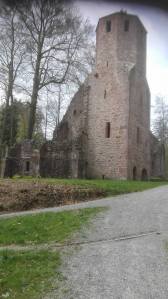


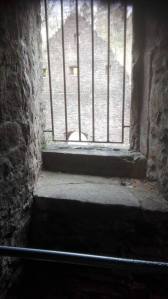

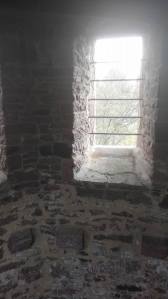


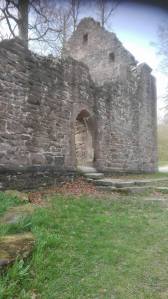
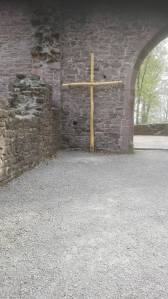
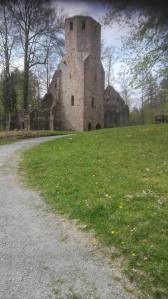

The St. Barbara Capella (church) was built in the beginning of the 1300s in the town edge
of Langensteinbach here in the Alb Valley.
A little history (compliments of the a German information website) tells the story beautifully here:
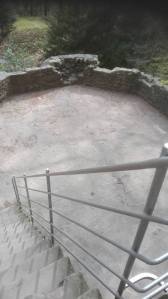
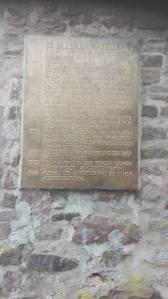
“The first documentary mention of the Barbara Chapel as “capella sanctae Barbarae” dates from 1432. The building itself dates back to the 14th century. Before the annexation of the chapel and the associated source to the Holy Barbara, a Celtic sanctuary was found there. Surely the dedication of the chapel is connected with it. Next to the church there was a graveyard for some time – wall remains can be seen on the square and foundations under the ground. Various legends surround the chapel and spring. For almost one and a half centuries, the chapel was a popular place of pilgrimage and the square before it was used for markets. A change took place in the second half of the 16th century with the rejection of the pilgrimage through the now reformed Wuerttemberg Duke. However, it would still be many years before the pilgrimage of the pilgrimage took place. In 1590, the church was still described as “a magnificent temple consecrated with artistic paintings on the Barbaraberg, sacred Barbara”. Twice a year in the presence of a large national market held before this temple. In the Langensteinbach camp book of 1605, however, the first records of the death of the church are described. The subsequent times of the Thirty Years’ War also made travel on land too dangerous, so that the pilgrimage finally fell into oblivion. The assignment of the church to the restituted monastery of Herrenalb did not change, as this was now impoverished. Only the market was continued on the Barbaraberg. In 1818 St. Barbara had completely ruined itself and remained exposed to the decay and plundering of the entire 19th century. In 1902 one remembered the ruin and began a restoration. Above all, the tower was to be used again as a lookout tower. During a new renovation, a massive spiral staircase was installed in the tower in 1966. The tower is open daily as a view tower and is located in the Waldpark St. Barbara in Karlsbad-Langensteinbach.”