Reykjavik, Iceland


A layover has never been more exciting. My flight on Icelandair proved to be very successful, flying from London to Denver, via Reykjavik, Iceland.

I arrived just  little before midnight, went through customs (getting another stamp in my passport, woohoo!!) I was able to sleep a little on a terminal bench in a quiet area, which was super after so much adventuring and travel..

Upon waking up, I grabbed some coffee and a breakfast sandwich, and booked a round trip local bus ticket to the town of Reykjavik, where more unexpected adventures awaited, and the beauty was an unexpected surprise. The bus drove by the old lava fields (now covered in sparse shrub and grasses) and dropped off passengers not far from city center square.

The pictures tell the rest of the story, and I even sampled fermented shark (not shown). A rare delicacy I have never tasted or had available anywhere else!!!

Joe and the Juice Coffee

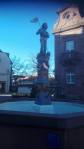
Leif Erikson

Monument
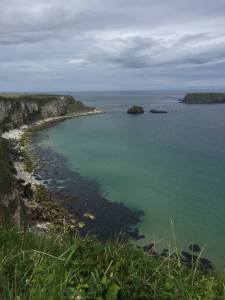
Atlantic Inlet to the coastline
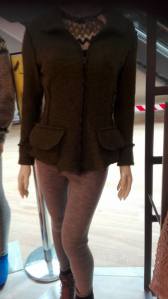
Iceland sweater for sale at $400
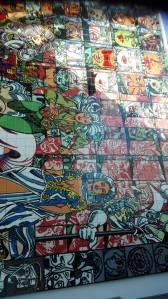
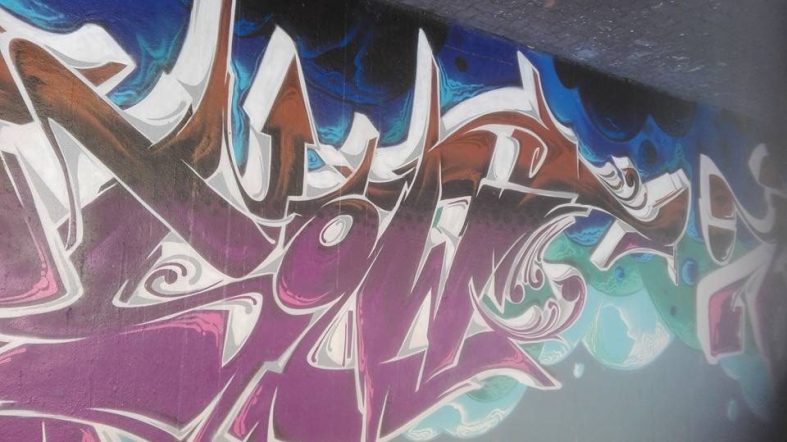
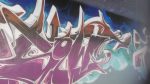
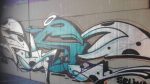
Mural in the airport
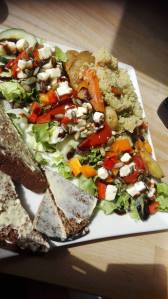
Loki Cafe entree, amazing

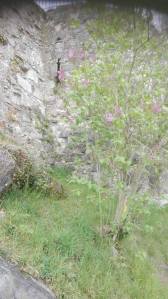
Tulips
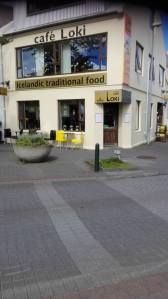
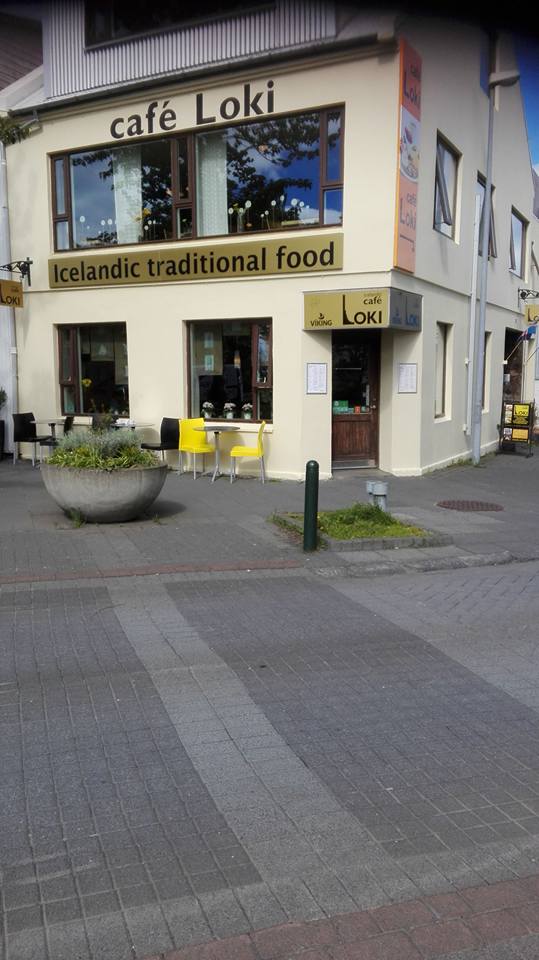
Loki Cafe
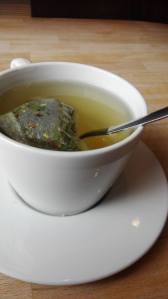
Thor Tea
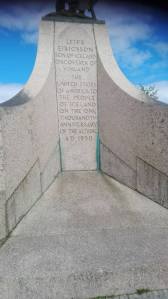
Lief Erikson monument
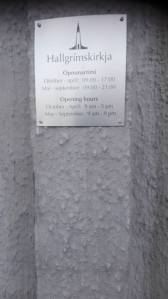
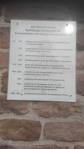
Church hours in Nordic and English
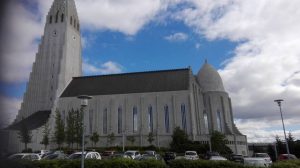
Hallgrimskirkja Church, Iceand

The Loki cafe is an amazing place to dine and has some incredible views but be warned, Iceland is very expensive to enjoy, even on a basic level…be prepared to drop some cash on even basics. For example, a cup of regular coffee (roughly $2 to $3 in the USA) is easily $8 to $10 in Iceland, even outside of the airports. Why is everything so costly?? From what I understand, most things have to be important to Iceland and with a population of roughly 350,000 (for the whole country), costs are higher due to the enviroment and import costs, etc. It is worth seeing but plan accordingly…and apparently the higher winds and chill are constant, so dress warmly!!!
Burse, Freiburg, Germany


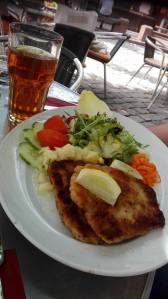
A great restaurant with outdoor seating in the plaza, offering wonderful food and traditional German cuisine, and, of course, I enjoyed the German hearty meal of Schnitzel, mixed salad, and potatoe salad. A wonderful meal in the plaza, a great way to fuel up on an adventure and a tasty way at that!!

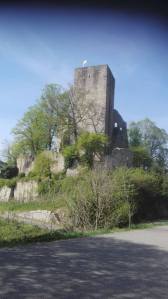
Bühl and the Burg Windeck Ruins


And of course, we had to stop for a coffee break!!!
A Sunday Drive in the Black Forrest


Neustadt an der WeinstraBe


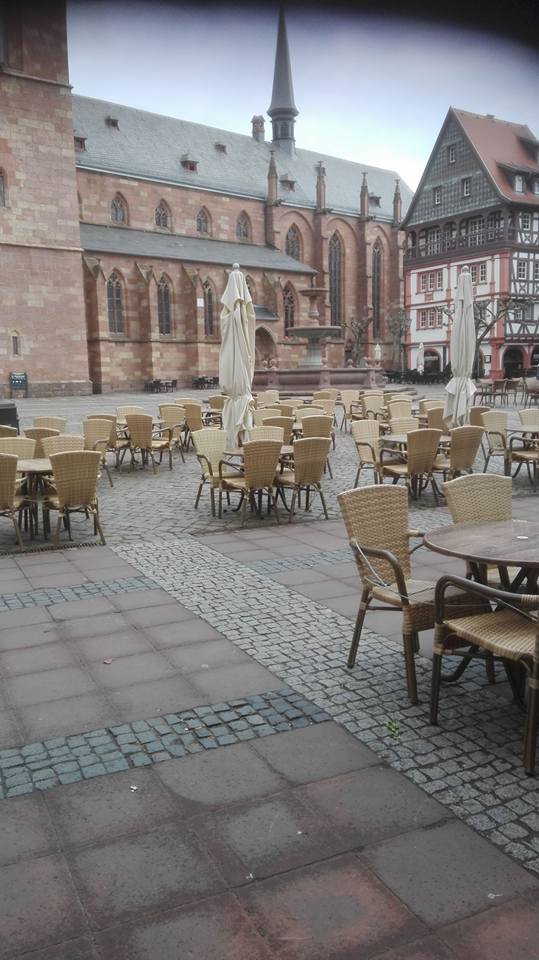
A wonderful adventure with family!! My Uncle came to visit Germany from Maryland (and staying with his brother, my other Uncle). We all met up somewhere in the middle…in the lovely town of Neustadt an der WeinstraBe (literally translating into the “New City on the Wine Street” but it is truly an older city, being several hundreds of years old in age.)
The city hosts both multiple Protestant and Catholic Churches, Cathedrals, and squares/plazas galore, and many wonderful attractions, as we discovered wondering around the town after a delightful German lunch together. What a lovely treat to get to spend the day with my Uncles, cousin, Aunt and Thomas.

Play the video to experience beautiful Cathedral bells.


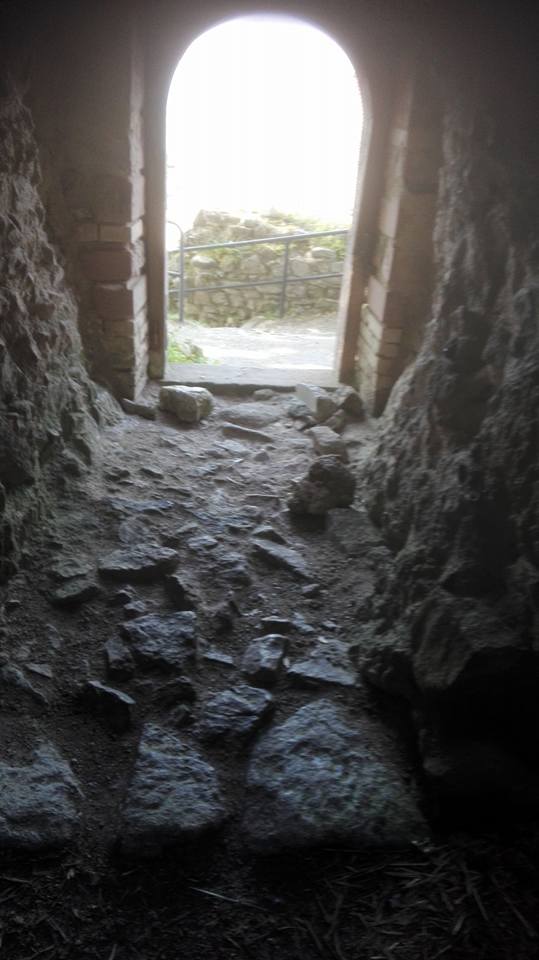
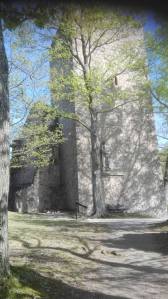
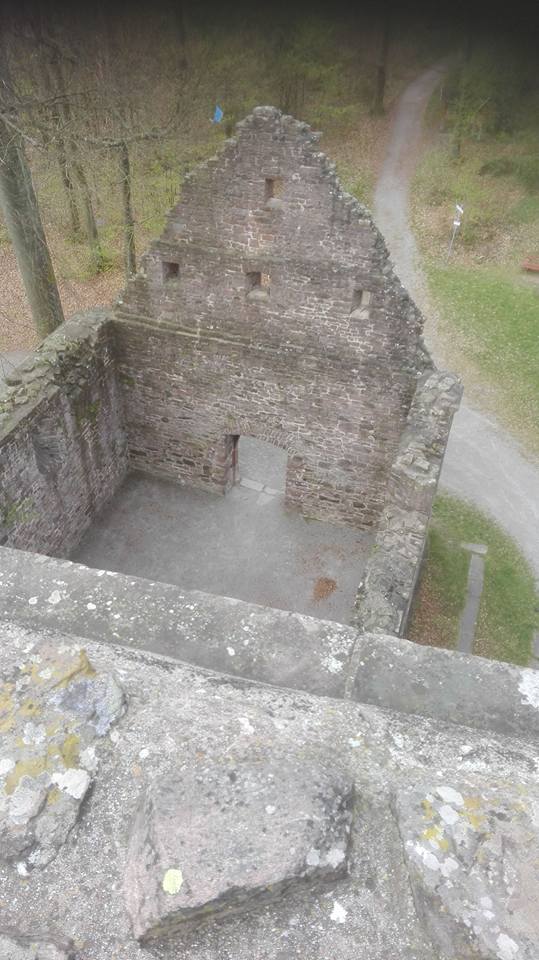
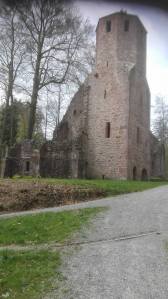
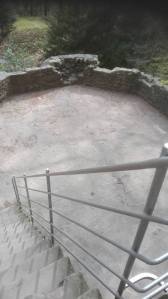
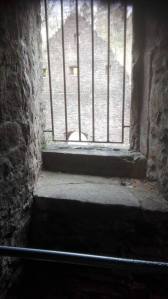
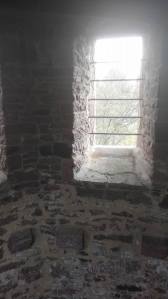
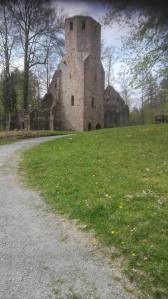
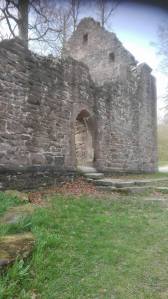
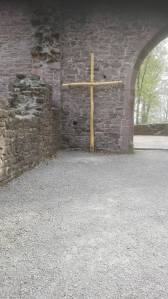
St. Barbara Capella Ruins, Langensteinbach, Badische History


The St. Barbara Capella (church) was built in the beginning of the 1300s in the town edge
of Langensteinbach here in the Alb Valley.
A little history (compliments of the a German information website) tells the story beautifully here:

“The first documentary mention of the Barbara Chapel as “capella sanctae Barbarae” dates from 1432. The building itself dates back to the 14th century. Before the annexation of the chapel and the associated source to the Holy Barbara, a Celtic sanctuary was found there. Surely the dedication of the chapel is connected with it. Next to the church there was a graveyard for some time – wall remains can be seen on the square and foundations under the ground. Various legends surround the chapel and spring. For almost one and a half centuries, the chapel was a popular place of pilgrimage and the square before it was used for markets. A change took place in the second half of the 16th century with the rejection of the pilgrimage through the now reformed Wuerttemberg Duke. However, it would still be many years before the pilgrimage of the pilgrimage took place. In 1590, the church was still described as “a magnificent temple consecrated with artistic paintings on the Barbaraberg, sacred Barbara”. Twice a year in the presence of a large national market held before this temple. In the Langensteinbach camp book of 1605, however, the first records of the death of the church are described. The subsequent times of the Thirty Years’ War also made travel on land too dangerous, so that the pilgrimage finally fell into oblivion. The assignment of the church to the restituted monastery of Herrenalb did not change, as this was now impoverished. Only the market was continued on the Barbaraberg. In 1818 St. Barbara had completely ruined itself and remained exposed to the decay and plundering of the entire 19th century. In 1902 one remembered the ruin and began a restoration. Above all, the tower was to be used again as a lookout tower. During a new renovation, a massive spiral staircase was installed in the tower in 1966. The tower is open daily as a view tower and is located in the Waldpark St. Barbara in Karlsbad-Langensteinbach.”


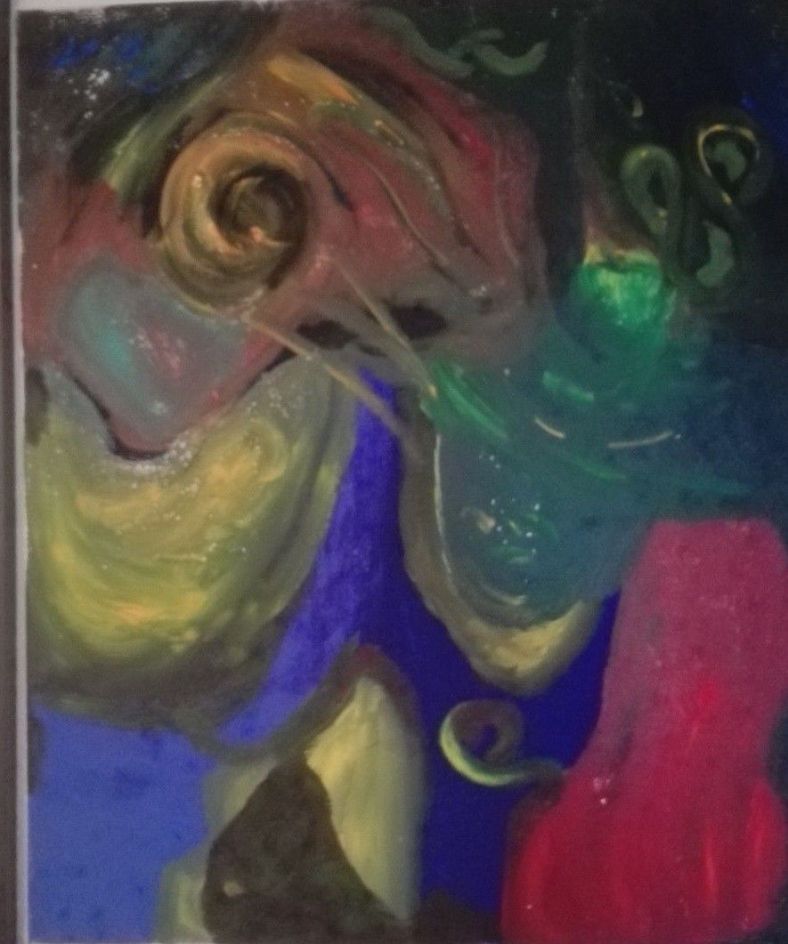
Original Paintings available


15% of the sale price benefits:

BackPack Beginnings
BackPack Beginnings’ mission is to deliver child centric services to feed, clothe and comfort children in need. By ensuring food and basic necessities are given directly to children in need.

Original, signed, new, ready to hang, mounted canvas” $1,500 or best offer (will accept as low as $499)


Click here to make an offer

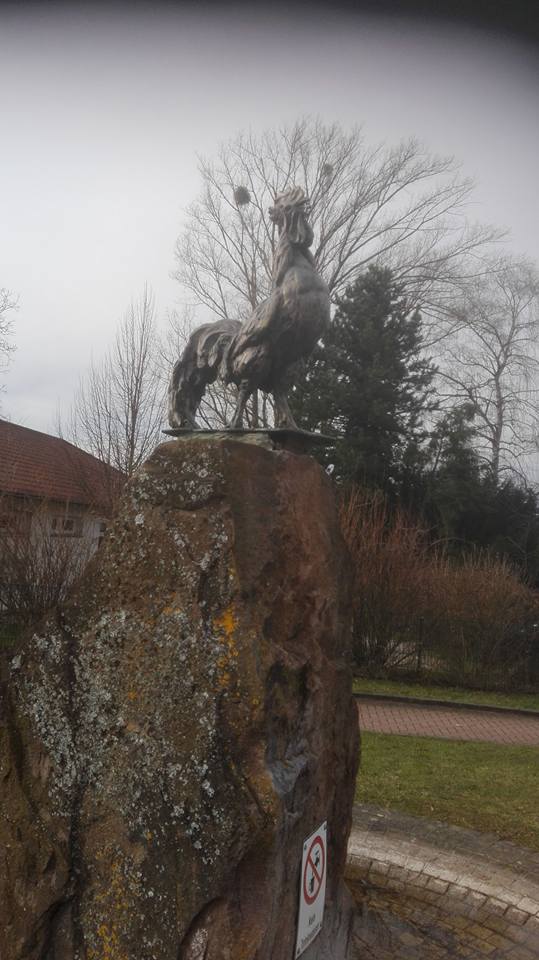
The Roosters Well and more, Speilberg, Germany


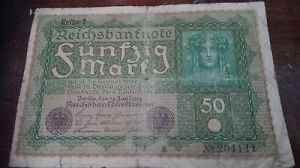
50 reichs bank note from 1908 $9.99 OBO eBay

RosenMontags, Deutschland


https://youtu.be/sMGhdEgKtVMhttp://

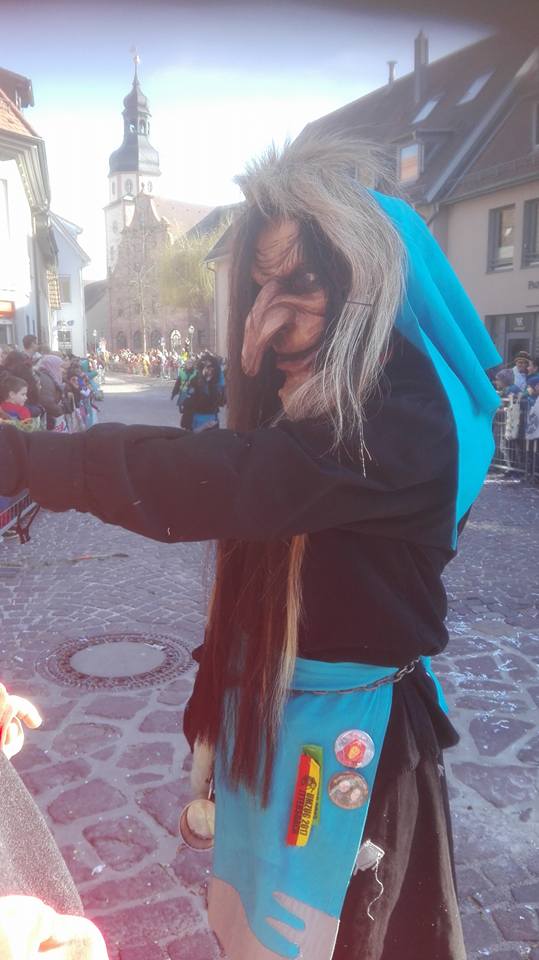
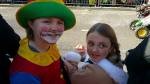
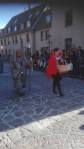
Woohoo!!! Attending Rosenmontags Festival today is beyond description, the hooping, hollering and joy was infectious, and everyone was in attendance, including this American ( I even dressed up as little red riding hood, sans wolf.)
Here is a bit of history (which I had to look up to get a better understanding.) Compliments of Wikepedia

In parts of East and South Germany, as well as in Austria, the carnival is called Fasching. In Franconia and Baden-Württemberg as well as some other parts of Germany, the carnival is called Fas(t)nacht, Fassenacht or Fasnet; in Switzerland, Fasnacht.

While Germany’s carnival traditions are mostly celebrated in the predominantly Roman Catholic southern and western parts of the country, the Protestant North traditionally knows a festival under the Low Saxon names Fastelavend [ˈfastl̩.ˌɒːvm̩t], Fastelabend [ˈfastl̩.ˌɒːbm̩t] and Fastlaam (also spelled Fastlom) [ˈfastl̩ɒːm]. This name has been imported to Denmark as Fastelavn and is related to Vastenoavond in the Low-Saxon-speaking parts of the Netherlands. It is traditionally connected with farm servants or generally young men going from house to house in the villages and collecting sausages, eggs and bacon, which was consumed in a festivity on the same evening. While going from house to house they wore masks and made noise. The old tradition vanished in many places, in other places under influence of German carnival traditions it came to resemble carnival with its parades.

Beginning and peak of the festival season

The carnival session, also known as the “Fifth Season”, begins each year on 11 November at 11:11 a.m. and finishes on Ash Wednesday of the following year with the main festivities happening around Rosenmontag (Rose Monday).

Although the festivities and parties start as early as the beginning of January, the actual carnival week starts on the Fat Thursday (Weiberfastnacht) before Ash Wednesday (in Germany). The big German carnival parades are held on the weekend before and especially on Rosenmontag, the day before Shrove Tuesday, and sometimes also on Shrove Tuesday (Faschingsdienstag or Veilchendienstag) itself in the suburbs of larger carnival cities.

Innenstadt, Ettlingen


Check out the great steals and deals on my eBay