I cannot even imagine where I would be today were it not for that handful of friends who have given me a heart full of joy. Let’s face it, friends make life a lot more fun.
Charles R. Swindoll

Check out great fashion and more on my eBay





Check out great fashion and more on my eBay
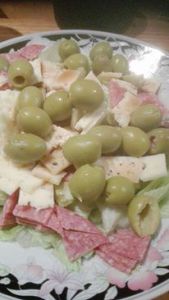
Salami Salad
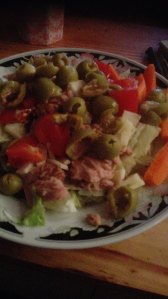
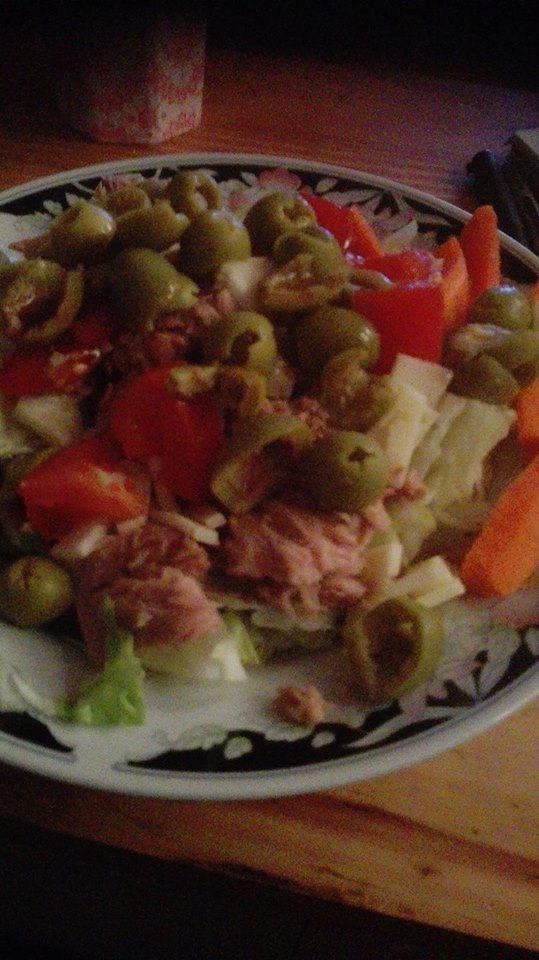
Tuna on Greens
Sometimes cooking and firing up the stove-oven isn’t an appealing option, tired or not. Salads are simple, easy and convenient to make (and often inexpensive.)
The Salami salad:
1/2 Head Iceberg lettuce
Small jar of green olives (pit free)
2 slices of your favorite real cheese
green salad onions
2 slices of salami
Chopped everything up, mix together, and serve. Top with your favorite dressing.
Tuna on Greens Salad:
1 large bag of mixed greens
1 Roma tomato
1 can of tuna
1 small jar of green olives
Chop up the tomato, mix everything together, serve. Add favorite salad dressing. Garnish with carrot sticks.
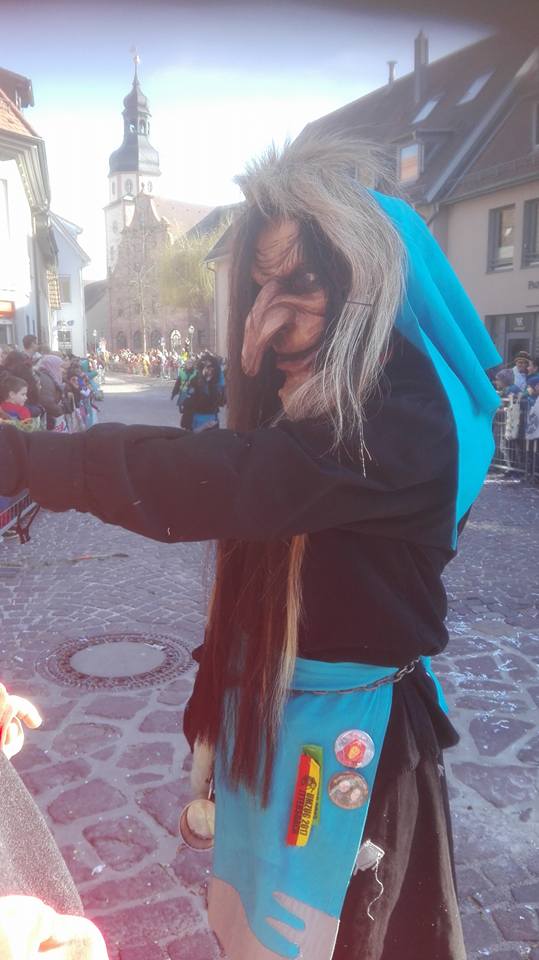





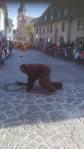
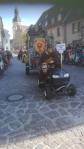


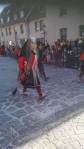

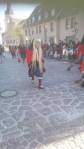







Woohoo!!! Attending Rosenmontags Festival today is beyond description, the hooping, hollering and joy was infectious, and everyone was in attendance, including this American ( I even dressed up as little red riding hood, sans wolf.)
Here is a bit of history (which I had to look up to get a better understanding.) Compliments of Wikepedia
In parts of East and South Germany, as well as in Austria, the carnival is called Fasching. In Franconia and Baden-Württemberg as well as some other parts of Germany, the carnival is called Fas(t)nacht, Fassenacht or Fasnet; in Switzerland, Fasnacht.
While Germany’s carnival traditions are mostly celebrated in the predominantly Roman Catholic southern and western parts of the country, the Protestant North traditionally knows a festival under the Low Saxon names Fastelavend [ˈfastl̩.ˌɒːvm̩t], Fastelabend [ˈfastl̩.ˌɒːbm̩t] and Fastlaam (also spelled Fastlom) [ˈfastl̩ɒːm]. This name has been imported to Denmark as Fastelavn and is related to Vastenoavond in the Low-Saxon-speaking parts of the Netherlands. It is traditionally connected with farm servants or generally young men going from house to house in the villages and collecting sausages, eggs and bacon, which was consumed in a festivity on the same evening. While going from house to house they wore masks and made noise. The old tradition vanished in many places, in other places under influence of German carnival traditions it came to resemble carnival with its parades.
The carnival session, also known as the “Fifth Season”, begins each year on 11 November at 11:11 a.m. and finishes on Ash Wednesday of the following year with the main festivities happening around Rosenmontag (Rose Monday).
Although the festivities and parties start as early as the beginning of January, the actual carnival week starts on the Fat Thursday (Weiberfastnacht) before Ash Wednesday (in Germany). The big German carnival parades are held on the weekend before and especially on Rosenmontag, the day before Shrove Tuesday, and sometimes also on Shrove Tuesday (Faschingsdienstag or Veilchendienstag) itself in the suburbs of larger carnival cities.


















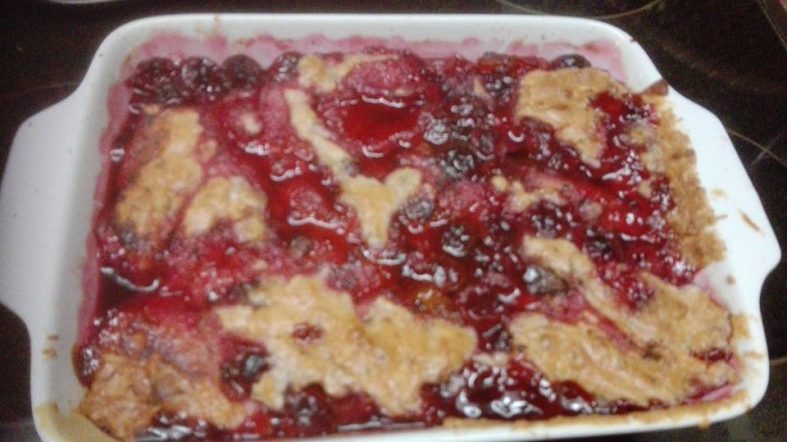
My very own cherry cobbler
Check out my eBay

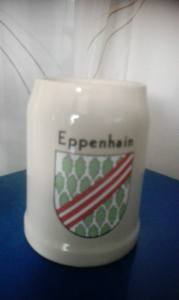
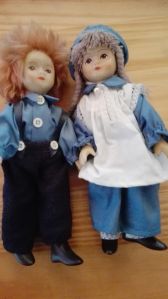
Spring is just around the corner and there are so many wonderful treasures and gifts, bobbles and wonders on the auction block. I ship worldwide, Happy Bidding!!! Below are just a few samples of the treasures to be found on the Auction



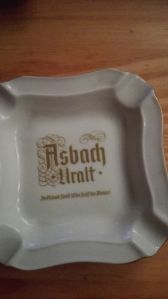




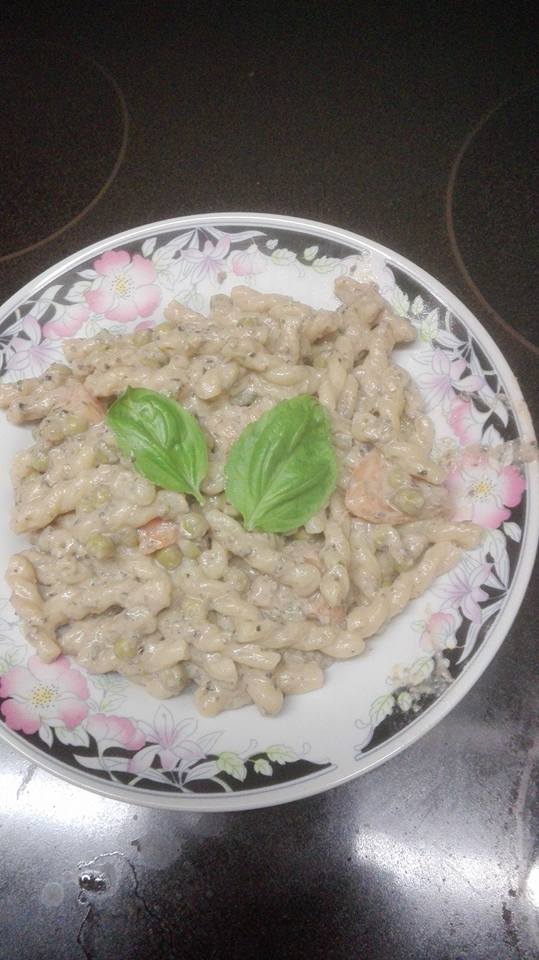





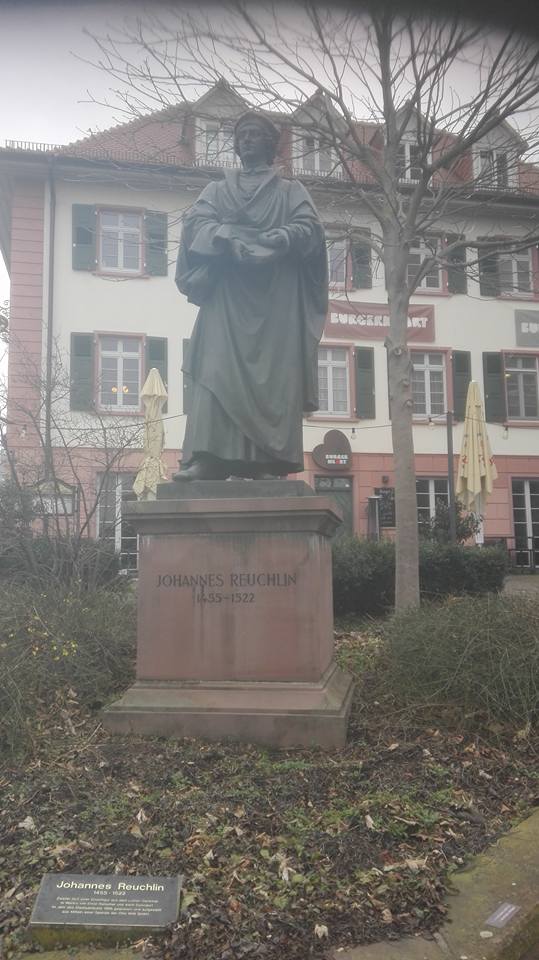




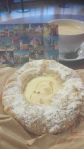


An impromptu afternoon in Pforzheim on a lovely day, the weather was perfect and the wind was not blowing and the sun peeked out to brighten the day.
A bit of history includes: